
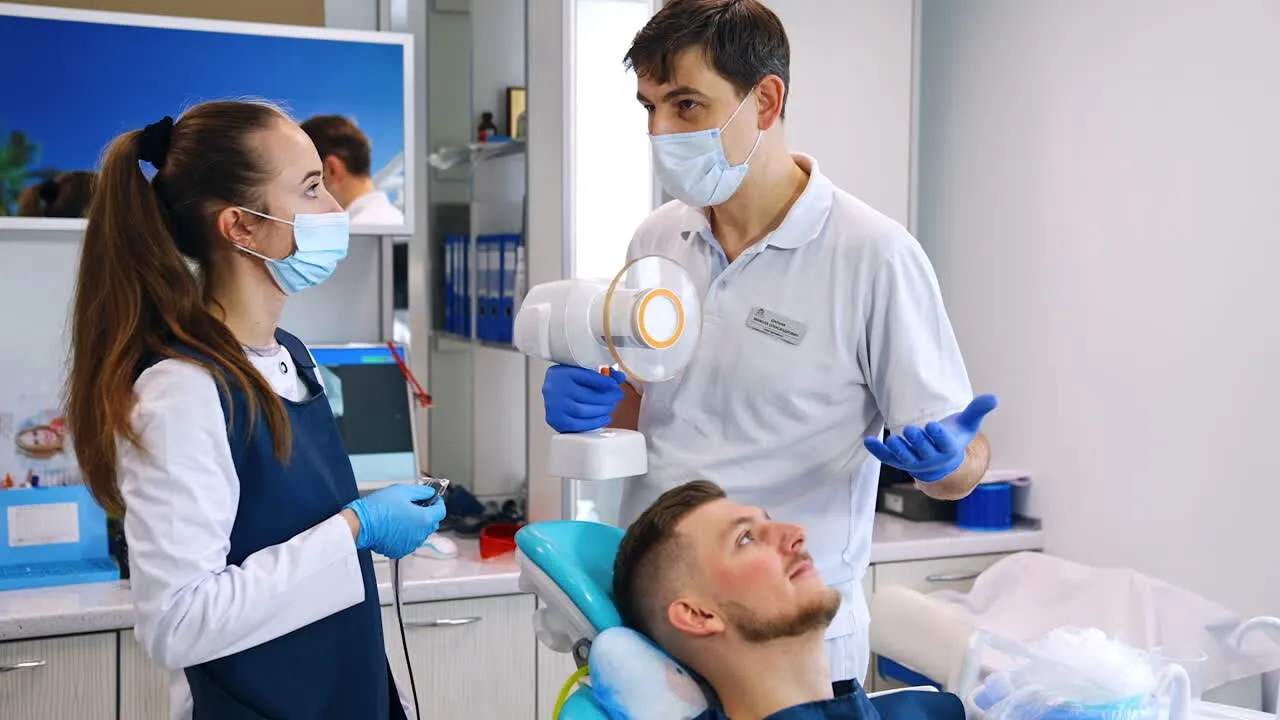

Almost everyone has bad breath now and then. Morning breath, a garlicky lunch or a long day without water can all leave your mouth feeling less than fresh. But when bad breath keeps coming back no matter how often you brush, it can be a sign that something in your mouth needs attention. At Lakewood Dental of Colorado, we talk with patients about bad breath without judgment, because finding the cause is usually the most direct path to fresher breath. This guide explains the common causes, what you can do at home and how Dr. Tariq Sawaqed and our team can help.

Why Bad Breath Happens
The medical name for bad breath is halitosis. The NHS describes it as very common and notes that it can often be improved at home. The key is understanding where the odor is coming from.
Bacteria and leftover food
The ADA's MouthHealthy guide to bad breath explains that bacteria naturally live in your mouth. When you eat, those bacteria feed on food left behind and release a foul-smelling waste product. That is why bad breath often comes from places that are hard to clean, such as between teeth, along the gumline and on the back of the tongue.
Dry mouth
Saliva helps wash your mouth throughout the day. When your mouth is not making enough, it is not being cleaned as well. The National Institute of Dental and Craniofacial Research explains that dry mouth can be linked to certain medications and some health conditions. Breathing through your mouth, especially at night, can also leave it dry.
Gum disease
The ADA notes that bad breath that won't go away, or a constant bad taste, can be a warning sign of gum disease. Our periodontal care page lists persistent bad breath among the possible signs of gum problems, along with bleeding, redness, swelling, gum recession and loose teeth.
Food, drink and tobacco
Strong-smelling foods such as garlic, onions and coffee affect the air you breathe out. Smoking and tobacco also cause bad breath, irritate gum tissue and raise the risk of gum disease, according to the ADA.
Other causes to rule out
The NHS also lists tooth problems such as cavities or an infection, fasting or crash dieting, and some medical conditions, including dry mouth, tonsillitis and acid reflux. The ADA notes that if your dentist has ruled out mouth-related causes and you brush and floss every day, it is worth seeing your healthcare provider about other possible causes.
Quick Reference: Causes and Next Steps
| Possible cause | What usually helps |
|---|---|
| Food and plaque left on teeth and tongue | Thorough brushing, cleaning between teeth and cleaning your tongue |
| Dry mouth | Drinking water and asking your dentist or doctor about causes, including medications |
| Gum disease | A gum evaluation and periodontal care at the dental office |
| Cavities or a tooth infection | An exam and treatment of the affected tooth |
| Dentures that are not cleaned well | Cleaning dentures daily and removing them at night as instructed |
| A cause outside the mouth | A visit with your healthcare provider once dental causes are ruled out |
What You Can Do at Home
The NHS and the ADA both recommend keeping your teeth, gums and tongue clean as the foundation. A practical home routine looks like this:
- Brush gently twice a day with a fluoride toothpaste, including along the gumline
- Clean between your teeth daily with floss or interdental brushes
- Clean your tongue gently, since bacteria collect on its surface
- Drink water through the day, especially if your mouth feels dry
- Keep dentures clean and remove them at night, as your dentist directs
- Avoid tobacco, which contributes to bad breath and gum problems
- Use sugar-free gum or mints after strong-smelling foods, as a short-term help
What mouthwash can and can't do
Mouthwash can freshen your breath for a short time, and some antibacterial rinses may help as part of a routine. But a rinse cannot remove hardened tartar or treat gum disease or a cavity. If you find you need mouthwash constantly to feel confident, that is a good reason to book a visit.

When to See a Dentist About Bad Breath
The NHS suggests seeing a dentist if bad breath does not go away after treating it yourself, or if you have any of these:
- Painful, bleeding or swollen gums
- Toothache or loose adult teeth
- Problems with your dentures
We would add: if you notice a constant bad taste, a sore spot that isn't healing or a change in your gums, mention it at your next visit or call our office sooner.
How We Help: Step by Step
Here is what a visit about bad breath typically involves at our Lakewood office:
- A conversation. We ask when you notice the odor, whether it is worse in the morning, and about your diet, medications and oral care routine.
- A full exam. Your dentist checks your teeth, gums, tongue and the soft tissues of your mouth, along with any fillings, crowns or dentures.
- A gum evaluation. We look for signs of gum inflammation and check how your gums attach around each tooth.
- Imaging when needed. Digital X-rays can help check for decay between teeth and bone changes that can be linked to gum disease.
- A professional cleaning. Our exam and cleaning page explains that a cleaning removes plaque and hardened tartar, which brushing and flossing alone can't remove.
- A plan in plain language. If we find a cause, we explain the options. If we don't, we may suggest checking with your healthcare provider.
Deep cleaning when it's needed
If gum disease is present, a routine cleaning may not be enough. Your dentist may recommend deep cleaning, also called scaling and root planing, followed by periodontal maintenance visits. Your dentist will explain why it is recommended and what to expect.

Bad Breath in Children and Older Adults
Bad breath can affect any age. In children, it is often linked to food caught between teeth, a coated tongue, mouth breathing or a cavity. Helping kids brush their tongue and clean between their teeth makes a real difference. Our family dentistry page explains how we care for patients of every age.
For older adults, dry mouth from medications is a common contributor, and dentures need daily cleaning to stay fresh. If you wear dentures, our dentures page is a good place to start, and our team can review how you care for them.
Checklist before your appointment
- Note when your breath seems worst, such as mornings or after certain foods
- List your medications, since some can cause dry mouth
- Mention any bleeding gums, loose teeth or a bad taste
- Bring your dentures or other appliances if you wear them
- Write down your questions
Morning Breath vs. Persistent Bad Breath
Not all bad breath means the same thing. Telling the two apart helps you decide whether a routine change is enough or whether it is time for a visit.
Morning breath
Saliva flow slows while you sleep, so bacteria have more time to build up overnight. That is why many people notice stronger breath first thing in the morning, especially if they sleep with their mouth open. Morning breath usually improves after brushing, cleaning your tongue and having a drink of water.
Persistent bad breath
Persistent bad breath is different. It stays with you through the day, comes back soon after brushing, or comes with a bad taste, bleeding gums or a sore tooth. That pattern points toward a cause that home care can't fully reach, such as tartar below the gumline, gum disease or a tooth that needs treatment.
A simple self-check
Ask yourself these questions over a week or so:
- Does the odor fade after you brush and clean your tongue, or does it return quickly?
- Do your gums bleed when you brush or floss?
- Do you notice a constant bad taste?
- Does your mouth often feel dry?
- Has anyone close to you mentioned it more than once?
If several answers point toward persistent bad breath, book an exam and cleaning so your dentist can look for the cause.
FAQ
Why do I have bad breath even though I brush?
Odor can come from areas brushing misses, such as between teeth, along the gumline and on the tongue. Gum disease, dry mouth and cavities can also cause it. An exam can help find the source.
Can gum disease cause bad breath?
Yes. Persistent bad breath or a constant bad taste can be a sign of gum disease. A gum evaluation and professional cleaning are the starting points for addressing it.
Does mouthwash get rid of bad breath?
Mouthwash can freshen breath for a short time, but it does not remove tartar or treat gum disease or cavities. If you rely on it constantly, have your teeth and gums checked.
Can medications cause bad breath?
Some medications can cause dry mouth, and a dry mouth is not cleaned by saliva as well as usual. Tell your dentist which medications you take so they can consider this.
When should I see a doctor instead of a dentist?
Start with a dental visit, since many causes are in the mouth. If your dentist rules out dental causes and your home care is thorough, your healthcare provider can check for other conditions.
Talk With Our Team
Bad breath is a common concern, and you don't need to feel embarrassed to bring it up. Our team hears about it often, and a short conversation at your next visit is a simple way to start looking for the cause. Learn about our general dentistry services, read about Dr. Tariq Sawaqed, or contact Lakewood Dental of Colorado to request an appointment. You can also call our office at (303) 233-1112.

Sources
- Bad Breath · MouthHealthy (ADA)
- Bad breath · NHS
- Halitosis (Bad Breath) · Cleveland Clinic
- Dry Mouth · NIDCR
- Dry Mouth · MouthHealthy (ADA)
- Flossing · MouthHealthy (ADA)