
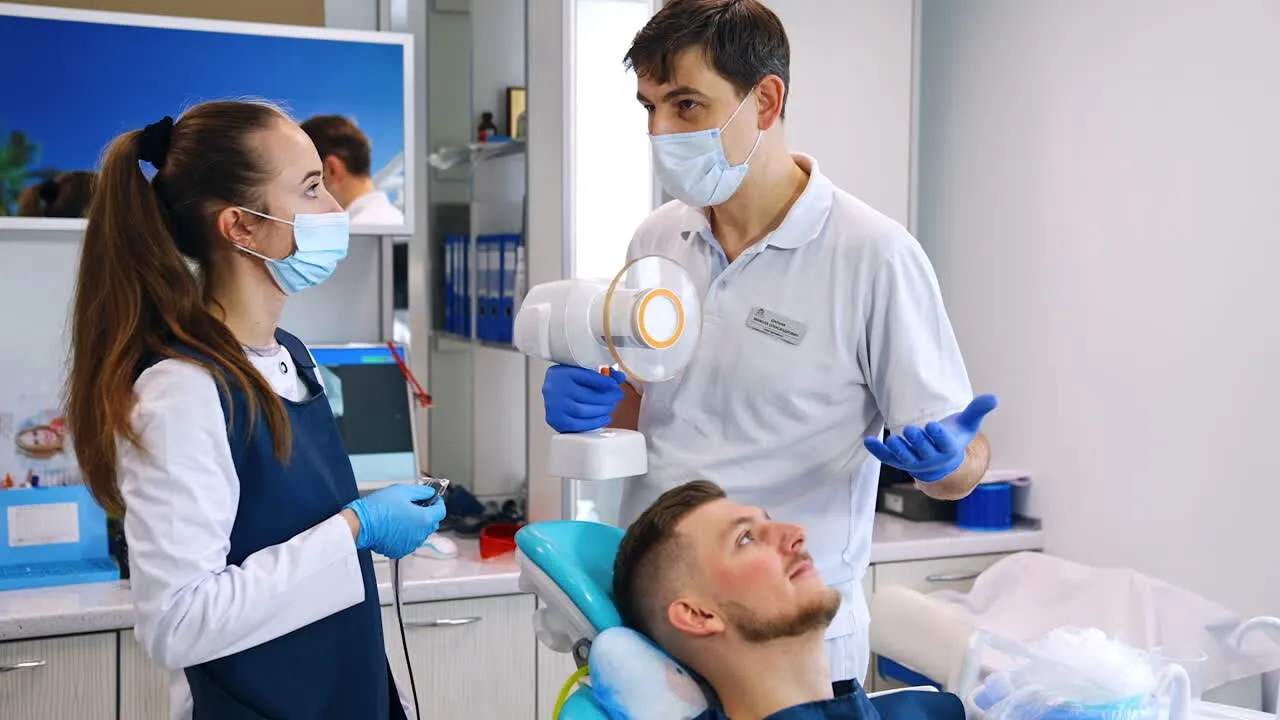
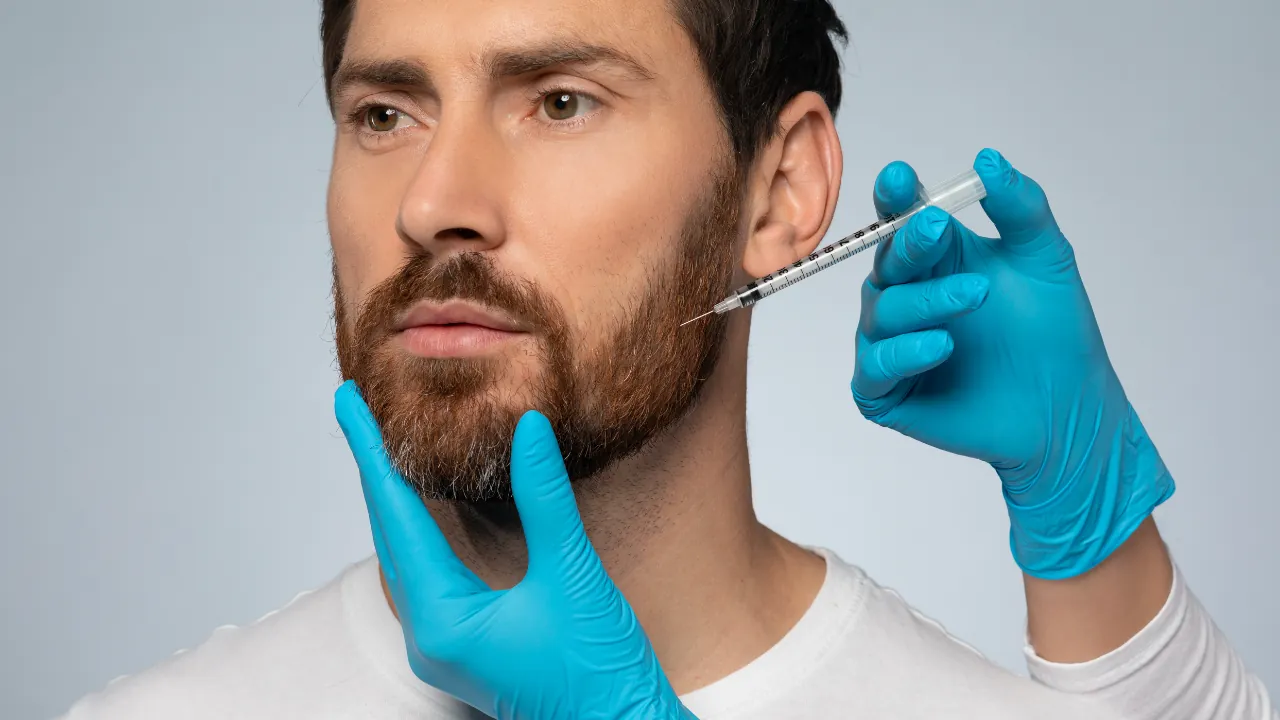
Many people are surprised to learn that a dental office can offer Botox and dermal fillers. Dentists work with the muscles and tissues of the face and jaw every day, and these treatments are closely tied to how your smile looks and how your jaw feels. At Lakewood Dental of Colorado, we offer Botox and dermal filler consultations to help you explore your options and understand which treatment, if any, may be right for you.
This guide explains how Botox and fillers differ, what a consultation covers, how Botox may be used as part of care for jaw tension, and the questions worth asking before you decide.
Botox and Dermal Fillers Are Not the Same Thing
Botox and fillers are both injectable treatments, but they work in different ways. As our Botox and fillers page explains, Botox relaxes targeted muscles, while fillers add volume.
| Botox | Dermal fillers | |
|---|---|---|
| How it works | Temporarily relaxes targeted muscles | Adds volume beneath the skin |
| Common cosmetic use | Softening certain expression lines caused by repeated muscle movement | Softening certain lines and folds, enhancing lip fullness or restoring facial volume |
| Other uses discussed at our office | Part of a personalized plan for some jaw tension and TMJ-related symptoms | Cosmetic goals only |
| How long it lasts | Temporary | Temporary, depending on the product and area |
What Botox is
Botox is an injectable treatment that temporarily relaxes targeted muscles. For cosmetic purposes, it can soften certain expression lines caused by repeated muscle movement. MedlinePlus explains that doctors use botulinum toxin in small doses, and that Botox injections work by weakening certain muscles or blocking certain nerves for a period of time.
What dermal fillers are
Dermal fillers are injectable treatments that can add volume and soften certain facial lines and folds. Depending on the product and the treatment area, they may be used to enhance lip fullness or restore facial volume. The U.S. Food and Drug Administration describes dermal fillers as medical device implants approved for helping to create a smoother or fuller appearance in the face.
What Happens at a Consultation
A consultation is a conversation first, not a commitment. During your visit, our team will:
- Discuss your goals. You explain what you would like to change and why.
- Review your medical history. Your health, medications and past treatments are part of deciding whether an injectable is appropriate.
- Assess the area. Your provider looks at the lines, volume or muscle activity involved.
- Explain your options. You learn which treatment may fit, how it works and how the two treatments differ.
- Cover results, risks and costs. We explain the expected results, the risks and the costs before you decide.
- Answer your questions. You decide whether to go ahead, wait or explore something else.
Why medical history matters
Some health conditions, medications and recent treatments can affect whether an injectable is suitable. Be open about your full health history, including allergies and anything you take regularly. This helps your provider plan care that fits you.

Botox for Jaw Tension and TMJ Symptoms
Do you experience jaw soreness, tightness or discomfort when chewing? These symptoms can have different causes, including problems affecting the jaw joint or the surrounding muscles, known as temporomandibular disorders, or TMD. NIDCR describes TMD as a group of conditions that cause pain and problems in the jaw joint and the muscles that control jaw movement.
Botox can relax targeted chewing muscles and is sometimes used as part of a personalized treatment plan for TMJ-related symptoms. During your consultation, we assess your jaw discomfort and discuss your treatment options, including whether Botox may be appropriate for you. Our TMJ and TMD treatment page covers other approaches as well.
Signs worth mentioning to your dentist
- Jaw soreness in the morning or after chewing
- Tightness in the muscles of the jaw or temples
- Clicking or popping when you open or close your mouth
- Headaches around the temples
- Worn or chipped teeth that may point to clenching or grinding

How Injectables Fit With Your Smile
Your teeth, lips and facial features all shape how your smile looks. Some patients explore injectables alongside dental treatments, while others focus on their teeth first. If you are thinking about changes to the teeth themselves, our cosmetic dentistry and teeth whitening pages describe other options. Your provider can help you think about the order of treatments and what to expect from each.
Realistic expectations
Results from injectables vary from person to person, and both treatments are temporary. Your provider will explain what changes may be possible for you, what may not, and what follow-up may involve. Choosing not to treat is always an option too.
Questions to Ask Before You Decide
- Which treatment fits my goals, Botox or a filler?
- What results are realistic for me, and how long might they last?
- What are the possible side effects and risks?
- How should I prepare before treatment and care for the area afterward?
- What does the treatment cost, and are there payment options?
The FDA's guidance on dermal fillers also encourages people to talk with their provider about the product being used, its risks and what to expect. For payment questions, see our financing page.
After treatment
Your provider will give you aftercare instructions for the area that was treated. Contact the office if you notice anything unexpected or if you have questions while you recover.
Preparing for Your Consultation
A little preparation helps you get the most out of your visit.
Before-your-visit checklist
- List your goals, such as the lines or areas you would like to discuss
- Bring a list of your medications and supplements
- Note any allergies and past reactions to treatments
- Share any previous cosmetic treatments, including when they were done
- Write down your questions so nothing is forgotten
What to expect on the day
Your consultation is a chance to talk, ask questions and learn. Your provider will look at the area you want to discuss and explain what may and may not be possible. You do not have to decide on the spot. Many people go home, think it over and call back later.
Understanding the risks
Like any medical treatment, injectables carry risks. The FDA describes possible side effects of dermal fillers, such as swelling and bruising, and notes that other side effects can occur in some cases. The FDA also advises working with a licensed health care provider who is experienced in injecting dermal fillers. Your provider will go through the risks that apply to you before any treatment.
Who May Not Be a Good Fit
Injectables are not right for everyone. Certain health conditions, some medications, pregnancy or breastfeeding, active skin problems in the treatment area, or past reactions can all affect whether treatment is suitable. That is why a full medical history is part of every consultation. If an injectable is not a good fit for you, your provider will explain why and talk through other options, such as cosmetic dentistry treatments for the teeth themselves.
How Jaw Care and Cosmetic Care Can Overlap
Some patients first come in for jaw tension and later ask about cosmetic options, while others come in for cosmetic reasons and mention jaw soreness during the visit. Because our team looks at the teeth, the bite and the muscles of the face together, these conversations can happen in the same place. If clenching or grinding is part of the picture, your dentist may also check your teeth for wear during a regular exam and cleaning.
Aftercare Basics
Your provider will give you instructions that fit the treatment you received and the area that was treated. In general, aftercare focuses on keeping the area clean, following any guidance about touching or rubbing the area, and watching for anything unexpected.
When to contact the office
- Swelling or bruising that seems to be getting worse instead of better
- Pain that is more than you were told to expect
- Changes in vision, swallowing or breathing, which need urgent medical attention
- Any reaction that worries you
If you are unsure whether something is normal, call our office and ask. It is always better to check.
Making a decision you feel good about
There is no pressure to decide during your consultation. Take time to think about what you learned, the risks and the costs, and whether the treatment fits your goals. Some people choose to start with a smaller change, some choose to focus on their teeth first, and some decide that injectables are not for them. Every one of those choices is valid, and our team is happy to answer follow-up questions by phone.
FAQ
Can a dentist provide Botox and dermal fillers?
Lakewood Dental of Colorado offers Botox and dermal filler consultations. During your visit, our team reviews your goals and medical history and explains which treatment may be appropriate.
What is the difference between Botox and fillers?
Botox temporarily relaxes targeted muscles, which can soften certain expression lines. Fillers add volume and can soften certain lines and folds or enhance lip fullness. They work differently and are used for different goals.
Can Botox help with jaw pain?
Botox is sometimes used as part of a personalized treatment plan for TMJ-related symptoms, because it can relax targeted chewing muscles. Jaw pain has several possible causes, so an assessment comes first.
Do the results wear off?
Yes. Both Botox and dermal fillers are temporary. Your provider will explain what to expect for your treatment area and what follow-up may involve.
Schedule a Botox and Filler Consultation
Have questions about Botox, dermal fillers or jaw tension? Call Lakewood Dental of Colorado at (303) 233-1112 or contact our office to schedule a consultation. Our team will help you understand your options so you can make a decision that feels right for you.

Sources
- Botox · MedlinePlus
- Dermal Fillers (Soft Tissue Fillers) · U.S. Food and Drug Administration
- Dermal Filler Do's and Don'ts for Wrinkles, Lips and More · U.S. Food and Drug Administration
- TMD · NIDCR