
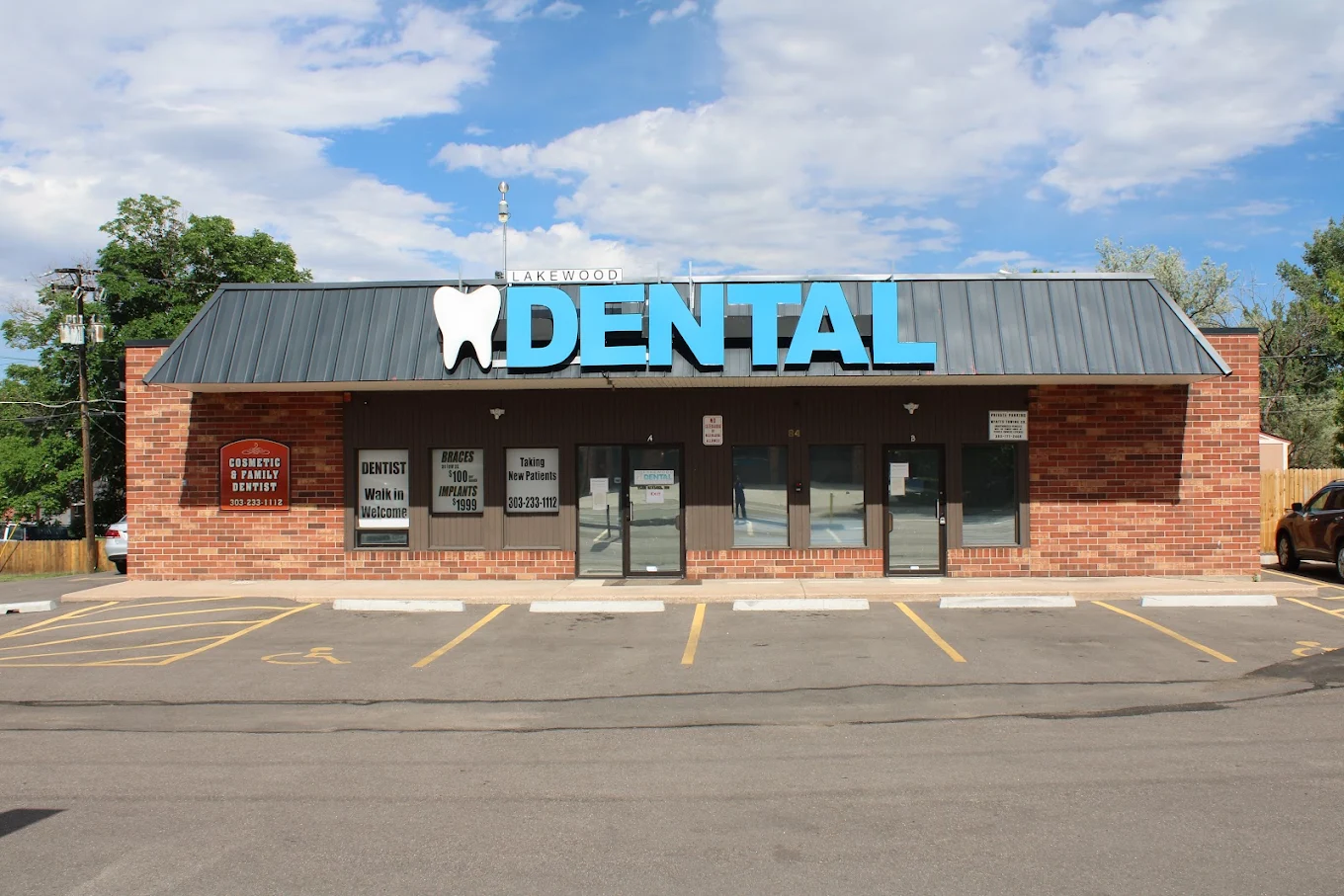
A tooth that is broken, worn down or weakened by decay can make chewing uncomfortable and can affect how confident you feel about your smile. A dental crown is a custom cap that covers the visible part of a tooth to restore its shape and help it work again. At Lakewood Dental of Colorado, Dr. Tariq Sawaqed and our team use crowns to help save natural teeth whenever that is a sound option, because keeping as much of your own tooth as possible is usually the goal.
This guide explains when a crown may be recommended, the materials you may hear about, what happens at each visit, and how to look after a crowned tooth at home.
What Is a Dental Crown?
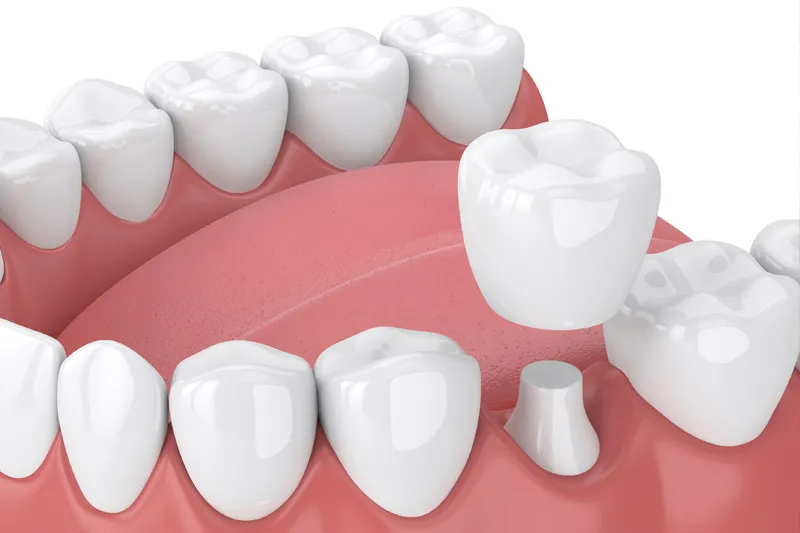
A crown is shaped and shaded to fit over a prepared tooth, so it sits where the outer part of the tooth used to be. It covers the tooth down toward the gumline and is cemented into place. According to Cleveland Clinic, crowns can strengthen a weak tooth, protect and support a cracked tooth, and restore a worn-down or broken tooth.
How a crown differs from a filling
A filling repairs a smaller area inside a tooth. A crown wraps the whole chewing surface and sides of the tooth. When a large part of the tooth is missing or cracked, a crown can hold what remains together and spread biting pressure more evenly. If you are still deciding between the two, our page on dental fillings covers when a filling may be enough.
Why saving the natural tooth matters
When a tooth can be restored with a crown, it may be possible to avoid an extraction. Keeping your own root in place helps keep neighboring teeth from drifting and supports normal chewing. If a tooth cannot be saved, our team can talk with you about replacement options such as dental implants.
Reasons a Crown May Be Recommended
Our dental crowns page lists the most common reasons patients in Lakewood need a crown. Your dentist may suggest one for:
- A broken or fractured tooth that needs to be held together
- Decayed teeth where decay has removed a large part of the tooth
- Large or fractured fillings that no longer support the tooth well
- A tooth after a root canal, which often needs extra protection
- Cosmetic reasons, such as a tooth with an uneven shape or color
Some of these problems cause pain or sensitivity, and some cause no symptoms at all. That is one reason regular checkups matter: an exam and X-rays when appropriate can show cracks and decay before they become emergencies.
Types of Dental Crowns
Crowns can be made from several materials. MedlinePlus describes crowns made from metal, porcelain fused to metal, and all-ceramic or all-porcelain materials. Each has trade-offs, and the right choice depends on the tooth, your bite and your goals.
| Crown type | What it is | Often considered for |
|---|---|---|
| All-ceramic or porcelain | A tooth-colored crown made entirely of ceramic | Front teeth and visible areas where appearance matters |
| Porcelain fused to metal | A metal base with a tooth-colored porcelain outer layer | Teeth that need strength with a natural-looking surface |
| Metal | A crown made from a metal alloy | Back teeth that take heavy chewing forces |
Choosing a material together
During your consultation, your dentist will explain which materials suit the tooth being treated. Things that can influence the choice include where the tooth sits in your mouth, how much natural tooth remains, whether you clench or grind, and how important a tooth-colored result is to you.

The Dental Crown Process, Step by Step
Our crown process begins with a consult and exam, and it is planned around your tooth and your health.
- Consultation and exam. Your dentist checks the tooth, reviews your health history and may take X-rays to see the root and surrounding bone.
- Treating decay or infection first. Any decay or infection is treated and resolved before the crown is placed, so the crown covers a healthy foundation.
- Preparing the tooth. The tooth is numbed and shaped so the crown can fit over it.
- Impressions. We take dental impressions so the crown can be made to fit your tooth precisely.
- Placing the crown. Once the crown is ready, it is checked for fit, bite and appearance, then cemented into place.
- Bite check and follow-up. Your dentist confirms that your bite feels natural and explains how to care for the new crown.
What the appointment feels like
Local anesthesia is used to numb the area while the tooth is prepared, so most patients notice pressure rather than sharp sensations. Tell your dentist if anything feels uncomfortable so they can pause and adjust. If you feel anxious about dental work, ask about our sedation and sleep dentistry options.
Imaging that helps plan your crown
Our office uses modern tools described on our dental technology page, such as digital X-rays and an intra-oral camera. These help your dentist show you what they see and explain why a crown is being recommended.

Caring for Your Crown at Home
A crown cannot get a cavity itself, but the tooth underneath can still decay at the edge where the crown meets the tooth. Daily care protects that edge and the gums around it.
Daily care checklist
- Brush twice a day with a soft-bristled toothbrush and fluoride toothpaste
- Clean between your teeth every day, paying attention to the crown margin near the gums
- Avoid chewing very hard items such as ice, hard candy or pen caps
- Wear a night guard if your dentist recommends one for clenching or grinding
- Keep regular checkups so your dentist can check the crown and the tooth beneath it
When to call the office
Call us if your crown feels loose, if your bite feels high or uneven, if a crown chips or comes off, or if you notice new pain, swelling or sensitivity around the tooth. If a crown comes off, keep it safe and bring it with you. Our emergency dentistry team can advise you on the next steps.
How Crowns Fit Into Your Overall Dental Care
A crown is one part of a larger plan for your mouth. Before recommending one, your dentist looks at the health of your gums, the bone around the tooth, your bite and any other teeth that need attention. Treating the whole picture helps the crown do its job.
Crowns after a root canal
When the nerve inside a tooth is inflamed or infected, a root canal may be recommended to clean out the inside of the tooth. Afterward, the tooth can be more fragile, so a crown is often placed to protect it during chewing. Your dentist will explain whether the tooth needs a crown and when it should be placed.
Crowns and gum health
Healthy gums help hold a crown's edge in a clean, sealed position. If your gums bleed or feel tender, mention it at your visit. Our periodontal and gum care services can address gum concerns before or after a crown is placed.
Crowns and the look of your smile
For a front tooth, appearance matters as much as strength. A tooth-colored crown can be shaded to blend with nearby teeth. If you are also thinking about other cosmetic changes, such as whitening, ask about timing, because crowns do not change color the way natural enamel does. Our cosmetic dentistry page explains other options.
Is a Crown Right for Your Tooth?
Not every damaged tooth needs a crown, and not every tooth can be saved with one. The decision depends on how much healthy tooth remains, the condition of the root and gums, and your overall oral health. Your dentist will explain your options, including what may happen if you choose to wait, so you can make an informed decision.
Questions to bring to your consultation
- Why is a crown recommended for this tooth instead of a filling?
- Which crown materials are suitable for this tooth?
- Does the tooth need any treatment before the crown is placed?
- How should I care for the crown and the tooth underneath it?
- What should I do if the crown feels different after placement?
If cost is part of your decision, our team can walk you through payment choices on our financing page.
FAQ
Why might I need a dental crown?
A crown may be recommended when a tooth is broken, cracked, badly decayed, has a large or failing filling, or has had a root canal. A crown can also improve the shape or color of a tooth for cosmetic reasons. Your dentist will explain why a crown is suggested for your specific tooth.
Does getting a crown hurt?
The tooth is numbed with local anesthesia before it is prepared, so most patients feel pressure rather than pain. Some sensitivity can occur after treatment. Let your dentist know about any discomfort that does not settle.
How should I clean a tooth with a crown?
Brush and clean between your teeth the same way you care for your natural teeth, with extra attention to the area where the crown meets the gums. Regular checkups let your dentist check the crown and the tooth beneath it.
What should I do if my crown comes off?
Keep the crown, avoid chewing on that side, and call our office. Do not try to glue it back with household products. Your dentist will check the tooth and the crown and advise you on the next step.
Talk With Our Lakewood Team About Dental Crowns
If you have a broken, worn or heavily filled tooth, a crown may help restore its shape and function. To ask questions or schedule a consultation with Dr. Tariq Sawaqed, call Lakewood Dental of Colorado at (303) 233-1112 or contact our office. New to the practice? Visit our new patients page to see what to expect at your first visit.

Sources
- Dental Crowns: Types, Procedure & Care · Cleveland Clinic
- Dental crowns · MedlinePlus
- Dental Health · MedlinePlus
- Tooth Decay · NIDCR
- Cavities (Tooth Decay): Symptoms, Causes & Treatment · Cleveland Clinic