
Missing teeth can make everyday things like eating, speaking and smiling harder than they need to be. Dentures are removable replacements for missing teeth, designed to help restore your smile and support everyday function. Whether you are missing several teeth or a whole arch, the right choice starts with understanding your oral health and your goals.
At Lakewood Dental of Colorado, Dr. Tariq Sawaqed and our team evaluate your teeth and gums, listen to your concerns and explain your options before you decide. This guide covers the difference between full and partial dentures, what the process looks like, and how to care for dentures once you have them.

What Dentures Are and Who They Help
Dentures are custom-made to fit your mouth and suit your facial appearance. They rest on the gums and, in the case of partial dentures, may also attach around your remaining natural teeth. As Cleveland Clinic explains, dentures are removable oral appliances that replace missing teeth, and they come in several types, including full, partial and implant-supported.
Dentures may be worth discussing if you:
- Have lost several teeth to decay, gum disease or injury
- Have teeth that cannot be saved and will need to be removed
- Find chewing uncomfortable because of gaps in your bite
- Want a removable option that can be taken out for cleaning
- Are looking for a way to replace a whole arch of teeth
Full Dentures vs. Partial Dentures
Our dentures page describes the two main types. The right one depends on how many natural teeth you still have and the health of those teeth.
| Full dentures | Partial dentures | |
|---|---|---|
| What they replace | All teeth in the upper or lower arch | Several missing teeth when some natural teeth remain |
| How they sit | Rest on the gums | Fit around your existing teeth |
| Daily cleaning | Removed for cleaning | Removed for cleaning |
| Main goal | Restore a complete set of teeth in one arch | Fill gaps while keeping your natural teeth |
Full dentures
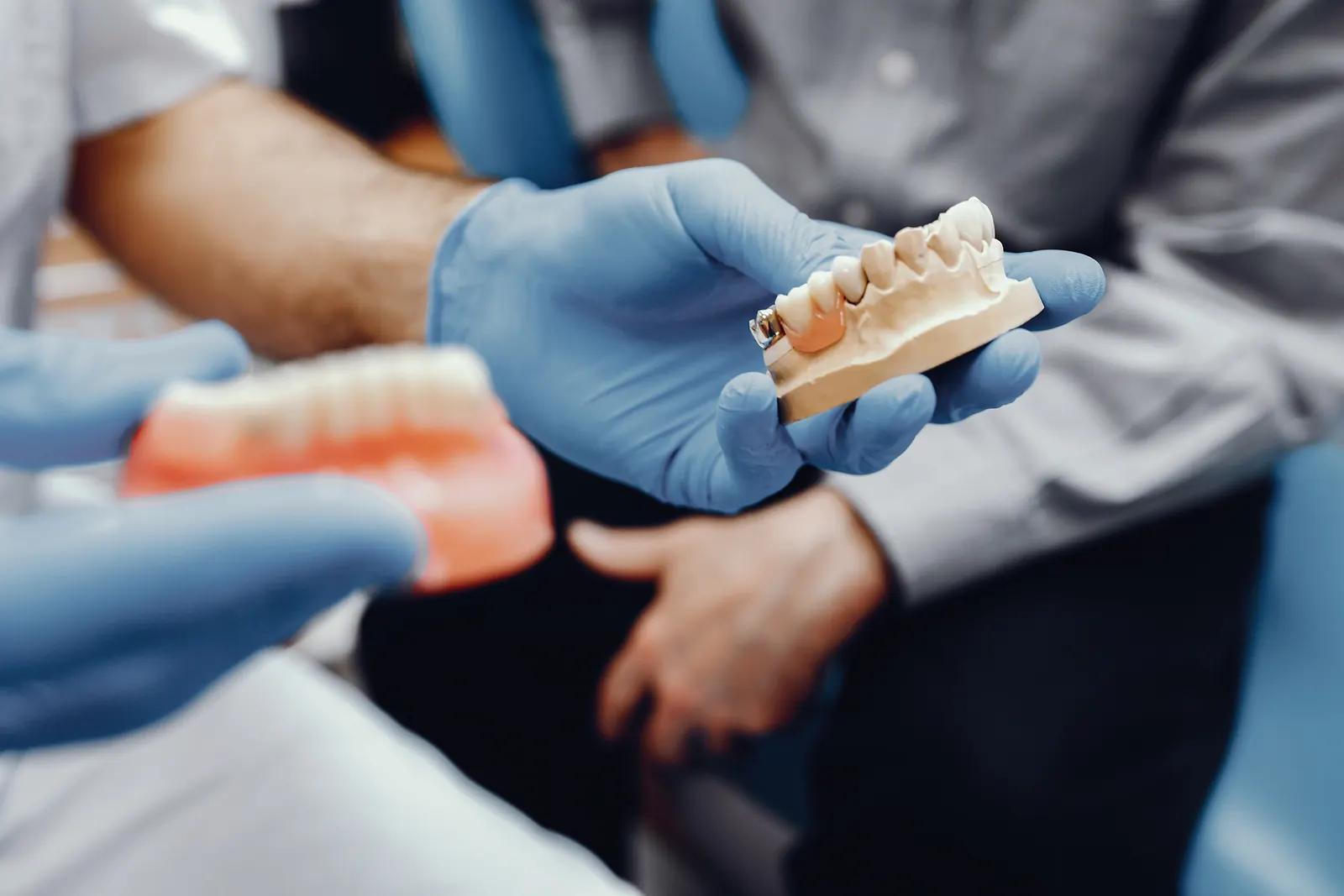
Full dentures replace every tooth in an upper or lower arch. They rest on the gums and are shaped to suit your mouth and your appearance. If some teeth still need to be removed, your dentist will explain how the timing of extractions and denture placement can work for you.
Partial dentures
Partial dentures replace several missing teeth when healthy natural teeth remain. They are designed to fit around those teeth, which helps keep remaining teeth from shifting into the gaps. Like full dentures, they come out for daily cleaning.
Implant-supported options
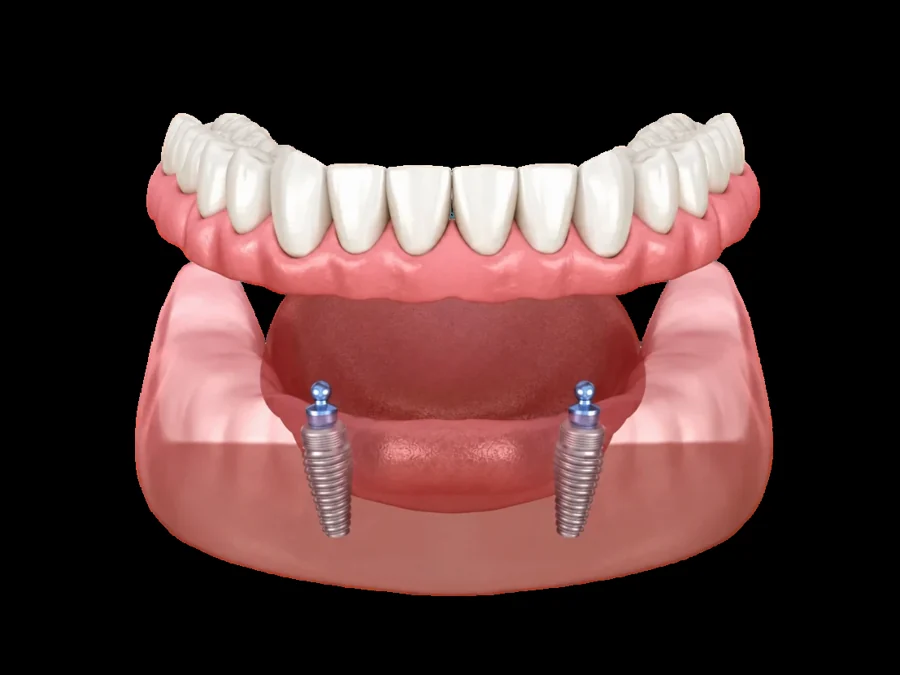
Some patients prefer a denture that is held in place by dental implants. These are sometimes called snap-on dentures or overdentures. If you want to learn more about implant-based choices, see our pages on dental implants and full-arch dental implants. Your dentist can tell you whether your bone and gums are suitable.
How the Denture Process Works
Every plan is personalized, but most denture journeys at our office follow similar steps.
- Evaluation. Your dentist examines your teeth, gums and bite, reviews your health history and talks with you about your goals.
- Treatment planning. You learn which type of denture suits your situation and whether any teeth need treatment or removal first.
- Impressions and measurements. Impressions of your mouth help the denture fit your gums and bite.
- Fitting. You try in your denture so your dentist can check fit, bite and appearance.
- Adjustments. As your mouth adapts, small adjustments may be needed to improve comfort.
- Ongoing checkups. Regular visits help keep your mouth healthy and your denture fitting well.
Getting used to new dentures
Getting used to dentures takes time. Speaking and eating can feel different at first, and some sore spots are common as your gums adapt. These tips can help during the adjustment period:
- Start with softer foods cut into small pieces
- Chew on both sides of your mouth to keep the denture balanced
- Practice speaking by reading aloud
- Return for adjustments instead of putting up with sore spots
- Follow your dentist's instructions about wearing the denture overnight

Caring for Dentures Every Day
A good fit, daily cleaning and regular dental visits help maintain comfort and keep your mouth healthy. The American Dental Association notes that good daily hygiene still matters with full dentures, including brushing your gums, tongue and the roof of your mouth with a soft-bristled brush.
Daily denture care checklist
- Rinse after eating to remove food particles
- Brush the denture daily with a soft brush and a cleaner meant for dentures
- Handle it over a folded towel or a sink of water so it is less likely to break if dropped
- Keep it moist when it is out of your mouth, following your dentist's guidance
- Clean your gums, tongue and any natural teeth every day
- Never try to adjust or repair a denture yourself
Why checkups still matter with dentures
Your mouth changes over time, and the fit of a denture can change with it. Checkups let your dentist look at your gums and other tissues, check for sore spots, and recommend a reline or adjustment when needed. If you still have natural teeth, those teeth and gums need regular care too, because gum disease can affect the teeth that support a partial denture. NIDCR explains how gum disease develops and why it should be treated.
Signs Your Denture Needs Attention
Call our office if you notice:
- A denture that feels loose or rocks when you chew
- Sore spots that do not settle
- Cracks, chips or a broken clasp
- Clicking sounds when you speak
- Changes in how your bite feels
Our general dentistry team can check your denture and your mouth and explain the next step.
Living Well With Dentures
Dentures are part of daily life, so a few practical habits help them feel more natural over time.
Eating with confidence
As you get comfortable, you can slowly add firmer foods back into your diet. Cutting food into smaller pieces and chewing slowly on both sides helps keep a denture steady. Very sticky or very hard foods can be harder to manage, so ask your dentist which foods to approach with care while you adjust.
Speaking clearly
Some words may sound different at first. Reading aloud, speaking slowly and repeating words that feel tricky can help your tongue and cheeks get used to the denture. If a denture slips when you laugh or speak, mention it at your next visit, since an adjustment may help.
Protecting your gums
Your gums carry a denture all day, so they benefit from care too. Follow your dentist's guidance about giving your gums a rest, and clean your gums and tongue each day with a soft brush or a clean, damp cloth. Report any sore spots, white patches or areas that bleed, so your dentist can take a look.
Partial dentures and your natural teeth
If you wear a partial denture, the natural teeth that support it need extra attention. Clean carefully around the clasps and along the gumline, because plaque that collects there can lead to decay or gum problems. Regular exams and cleanings help protect those teeth.
Planning for changes over time
The shape of your gums and jawbone can change after teeth are lost. Over time, this can affect how a denture fits. A reline or adjustment can help a denture fit more closely again, and your dentist will let you know when one may be worthwhile. If you are curious how implants can help hold a denture in place, our post on dental implants in Lakewood is a good place to start.
Questions to Ask at Your Denture Consultation
- Which type of denture suits my mouth and my remaining teeth?
- Do any teeth need treatment or removal before the denture is made?
- What should I expect while I get used to the denture?
- How often should I come in for checkups and adjustments?
- Would an implant-supported option be worth discussing for me?
Your smile, oral health and budget all matter when choosing dentures. Our team can explain financing options offered through independent lenders on our financing page.
Why Replacing Missing Teeth Matters
Leaving gaps unfilled can affect more than your smile. When a tooth is missing, nearby teeth can lean or drift into the space, and the opposing tooth may move too. Chewing may shift to one side of your mouth, and some foods may become harder to eat. Replacing missing teeth helps support everyday function and can make it easier to keep a balanced bite.
Talking with your dentist early also gives you more choices. If some teeth can still be saved, a partial denture may let you keep them. If teeth need to be removed, your dentist can plan the steps so you are not left without teeth for longer than necessary.
FAQ
What is the difference between full and partial dentures?
Full dentures replace all of the teeth in an upper or lower arch and rest on the gums. Partial dentures replace several missing teeth when some natural teeth remain, and they fit around those teeth.
Will dentures feel strange at first?
Many people need time to adjust to speaking and eating with dentures. Sore spots can happen while your gums adapt. Your dentist can make adjustments to improve comfort.
How do I clean my dentures?
Rinse them after eating and brush them every day with a soft brush and a cleaner meant for dentures. Clean your gums, tongue and any natural teeth too. Follow the care instructions your dentist gives you.
Can dentures be held in place with implants?
Some patients are candidates for implant-supported dentures. Your dentist will check your gums and jawbone and explain whether this option may suit you.
Schedule a Denture Evaluation in Lakewood
If you are missing teeth and want to understand your options, our team is here to help. Call Lakewood Dental of Colorado at (303) 233-1112 or contact our office to schedule an evaluation with Dr. Tariq Sawaqed. New to the practice? Our new patients page explains what to bring to your first visit.

Sources
- What Are Dentures? Types, Care & Benefits · Cleveland Clinic
- Dentures · American Dental Association (MouthHealthy)
- Dentures · MedlinePlus
- Dental Health · MedlinePlus
- Periodontal (Gum) Disease · NIDCR