
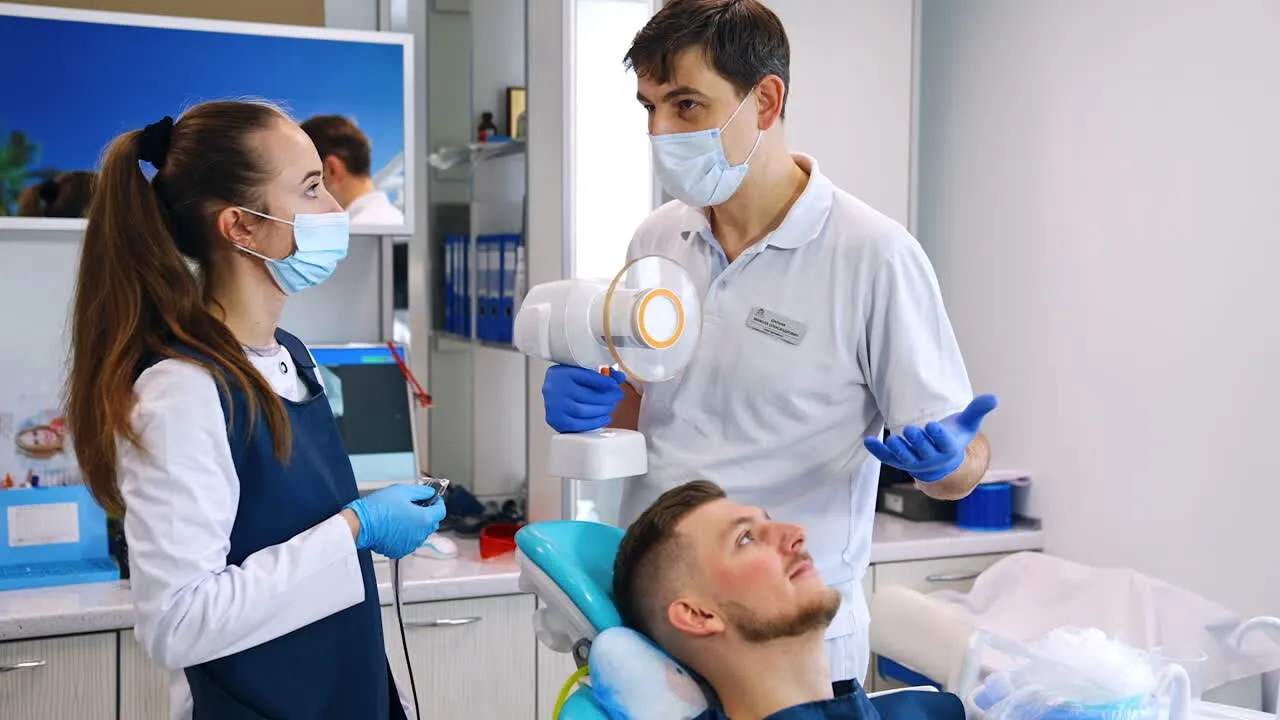

The honest answer is: it depends. A regular cleaning schedule is a reasonable starting point for many healthy adults, but no single interval applies to everyone. Your actual need for cleanings should be based on your own gum health, cavity risk, habits like smoking, and conditions like diabetes or pregnancy. Some people need cleanings more often than others, and for many people a routine schedule works well. This article walks through where the familiar routine comes from, what recent reviews say, and how a personalized schedule is built.
In this guide:
- Why a routine checkup schedule became the default
- What recent reviews say about fixed versus risk-based schedules
- Who may need cleanings more often, and who may not
- What happens at a cleaning and exam, and the warning signs that shouldn't wait
Why a Routine Checkup Schedule Became the Default
The American Dental Association notes that there is no one-size-fits-all schedule: some people need to visit the dentist once or twice a year, while others may need more visits, and your dentist will set the right schedule for you. A predictable routine is a sensible default because it catches many early problems before they become bigger ones, and it is easy for patients to remember.
But "common guidance" isn't the same as "one size fits all." A simple, easy-to-communicate interval caught on partly because it was simple to remember, not because one interval was shown to suit every person.
Why a simple rule stuck
A single, easy-to-remember interval is helpful: it gives people a reason to keep coming back, and it lets the dental team spot changes over time. The trade-off is that a simple rule can't account for the differences between one person's mouth and another's.

What Recent Reviews Say About Cleaning Frequency
More recent research has started to question whether a fixed, same-for-everyone schedule is really better than a schedule based on individual risk.
A Cochrane review, discussed in The Conversation, found that fixed check-up intervals did not offer extra benefit in preventing tooth decay or gum bleeding compared with recall scheduling based on a person's individual risk factors. A related Cochrane review focused specifically on cleaning frequency and found that more frequent professional cleanings made little or no difference to gum bleeding or plaque levels compared with less frequent cleaning, with only a small and uncertain reduction in tartar buildup.
A scoping review published through the National Institutes of Health (NIH/NCBI) reached a similar conclusion: dental professionals and insurers should move toward individually tailored, risk-based recall intervals rather than defaulting everyone to the same fixed schedule.
Put simply, the research supports what many dentists already practice in the chair: your mouth, not a calendar, should set your cleaning schedule.
What this means for you
- Low-risk patients may not need more visits just because a calendar says so
- Higher-risk patients often benefit from closer follow-up
- Your history matters: what your dentist sees over several visits shapes the schedule
- The decision is shared: you and your dentist set the interval together after an exam
Who May Need Cleanings More Often
Some people benefit from cleanings on a shorter schedule than a routine checkup. This is often called periodontal maintenance, and it's common for people with a history of gum disease or periodontitis, since their gum tissue is more prone to ongoing inflammation and tartar buildup.
Other factors that often push cleaning frequency higher include:
- Diabetes, which can affect how the body responds to gum infection
- Smoking or other tobacco use
- Pregnancy, due to hormonal changes that can cause pregnancy gingivitis
- Dry mouth, which reduces saliva's natural cleansing effect
- Active orthodontic treatment, like braces or clear aligners, which create more places for plaque to hide
- A family history of gum disease
If one or more of these apply to you, a shorter interval between cleanings is usually worth discussing with your dentist.
How periodontal maintenance works
- Assessment. The dentist and hygienist check your gums and look for signs of ongoing inflammation.
- Cleaning above and below the gumline. Deposits are removed from areas that are hard to reach at home.
- Review. You talk about what was found and which areas need extra attention at home.
- Scheduling. Your next visit is set based on how your gums are responding.
Learn more on our periodontal and gum care page.

Who Might Be Fine With a Longer Interval
On the other end, some patients with consistently healthy gums, low cavity risk, good home care, and no major risk factors may be comfortable with a slightly longer interval. This isn't a decision to make on your own, though. It's something your dentist should assess based on your exam findings, X-rays, and history over time, not a guess.
A quick self-check before you ask about a longer interval
- My gums rarely bleed when I brush or floss
- I haven't had new cavities in a while
- I don't smoke and don't have conditions that affect my gums
- I keep up with brushing and cleaning between my teeth every day
Even if all of these apply, bring them up at your next visit rather than skipping it.
What Happens During a Professional Cleaning and Exam
A typical cleaning and exam visit generally includes:
- A hygienist's physical exam of your teeth and gums
- Scaling to remove plaque and tartar, including below the gumline
- Flossing between all teeth
- Polishing to smooth and clean the tooth surface
- A fluoride rinse or treatment
- A dentist's exam, with X-rays as needed, to check for cavities, gum disease, and signs of oral cancer
This combination of hygienist cleaning and dentist exam is why these visits matter beyond just a fresh feeling in your mouth — they're also a routine screening opportunity.
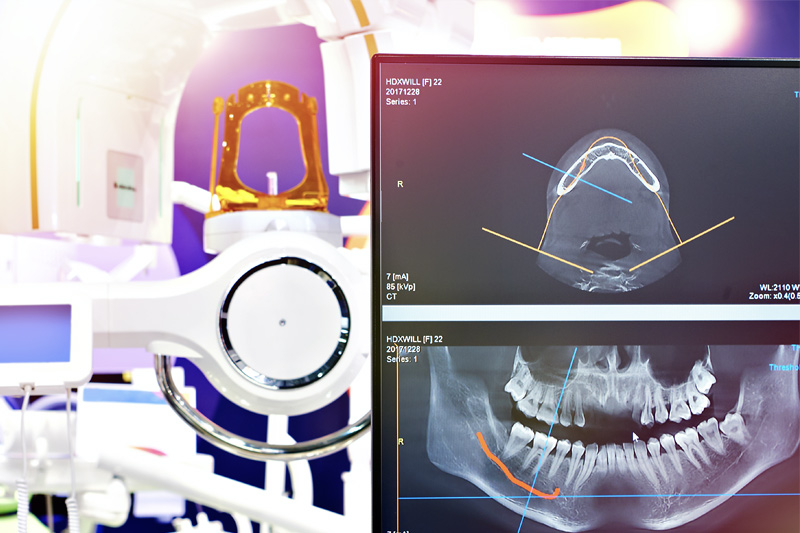
What X-rays add to the visit
At Lakewood Dental of Colorado, X-rays may be recommended when they are needed to evaluate areas that cannot be seen during a visual exam; they are not automatically necessary at every visit. You can read more about our exam and cleaning visits and the technology the office uses.
Signs You Shouldn't Wait for Your Next Scheduled Appointment
Some warning signs suggest you shouldn't wait for your next scheduled cleaning, even if it isn't due yet:
- Bleeding gums when you brush or floss
- Persistent bad breath that doesn't go away with brushing
- Visible tartar buildup near the gumline
- Gum tenderness, redness, or swelling
- New or increasing tooth sensitivity
Plaque can begin hardening into tartar within days, and gum inflammation can follow if it isn't removed. That's part of why dentists emphasize routine professional removal rather than waiting until a problem is obvious.
What It Really Costs You to Skip Cleanings
Skipping scheduled cleanings doesn't make the underlying issues disappear — it usually just gives plaque and tartar more time to build up. Over time, this can make gum disease harder to manage and increase the chances that small, simple issues turn into more extensive dental work later. Staying on a schedule that fits your actual risk level is one of the simplest ways to avoid that kind of snowball effect.
Habits that help between visits
- Brush morning and night with a fluoride toothpaste
- Clean between your teeth every day with floss or interdental brushes
- Limit sugary snacks and drinks between meals
- Don't ignore bleeding gums; call the office if it continues
- Bring your questions to your next visit, so the team can adjust your plan
For a look at the different cleaning types, see our post on types of dental cleanings in Lakewood.
How Lakewood Dental of Colorado Builds Your Personalized Cleaning Schedule
At Lakewood Dental of Colorado, Dr. Tariq Sawaqed and the team don't default every patient to the same checkup slot. Instead, your cleaning schedule is based on a combination of your gum health, cavity history, risk factors like smoking or diabetes, and how your mouth has responded over time. If you're pregnant, in active orthodontic treatment, or managing a condition that affects your gum health, that gets factored in too. The goal is a schedule that actually fits you, not just a generic calendar reminder.
How your schedule is set, step by step
- Health history. You share medications, health conditions and any changes since your last visit.
- Exam and cleaning. The hygienist and dentist check your teeth and gums.
- Risk review. Gum health, cavity history and habits are weighed together.
- Recommendation. You leave with a cleaning interval that fits your situation, and the reasons behind it.

The office also offers general dentistry services such as deep cleaning when it's needed, and Invisalign patients can ask how aligner care fits into their cleaning plan.
Children are part of this approach as well. The American Dental Association recommends an early first dental visit, around the time the first tooth appears, with most kids then following a regular cleaning rhythm as they grow, adjusted as needed based on their own risk factors.
Book Your Cleaning in Lakewood, Golden, Wheat Ridge, or West Denver
If it's been a while since your last cleaning, or you're not sure whether your current routine is really the right interval for you, it's worth having that conversation with a dentist who knows your history. Lakewood Dental of Colorado works with families and adults throughout Lakewood, Golden, Wheat Ridge, and west Denver to build a cleaning schedule based on your actual mouth, not just a generic default.
New to the office? Our new patients page explains what your first visit includes, or you can contact us to request an appointment.
This article is general information, not dental or medical advice. Every patient is different; book a consultation for advice about your own situation.
FAQ
Is it bad to go longer between cleanings than my dentist suggested?
It depends on your individual risk factors. Some patients with low cavity risk and healthy gums may be fine with a slightly longer interval, but this should be a decision made with your dentist based on an exam, not something to assume on your own.
How do I know if I need cleanings more often than a routine checkup?
A history of gum disease, diabetes, smoking, pregnancy, dry mouth, active orthodontic treatment, or a family history of gum disease are all factors that commonly lead a dentist to recommend a shorter interval between cleanings.
What's the difference between a regular cleaning and periodontal maintenance?
A regular cleaning is typically for patients with healthy gums and focuses on removing everyday plaque and tartar. Periodontal maintenance is a more frequent cleaning schedule, set by your dentist, for patients who have a history of gum disease and need closer management of gum health.
What happens if I keep skipping my scheduled cleanings?
Skipping cleanings allows plaque and tartar to keep building up, which can make gum disease more difficult to manage and may lead to more extensive treatment being needed later. Staying on a schedule suited to your risk level helps avoid that.
Do children need a different cleaning schedule than adults?
Children follow the same idea: the dentist sets a schedule based on each child's own risk. Children with more cavities or with braces or aligners may be asked to come in more often.
Will I always need X-rays at a cleaning visit?
No. X-rays are recommended when they're needed to see areas that can't be checked visually, and they aren't automatically part of every visit.

Sources
- Common Questions About Going to the Dentist · American Dental Association (MouthHealthy)
- What Happens During a Dental Cleaning? · Cleveland Clinic
- Do you really need a dental check-up and clean every 6 months? · The Conversation
- Effect of Different Frequencies of Dental Visits on Dental Caries and Periodontal Disease: A Scoping Review · National Library of Medicine (PMC)
- Gum Disease · American Dental Association (MouthHealthy)
- Gum Disease · MedlinePlus
- Dental Health · MedlinePlus