
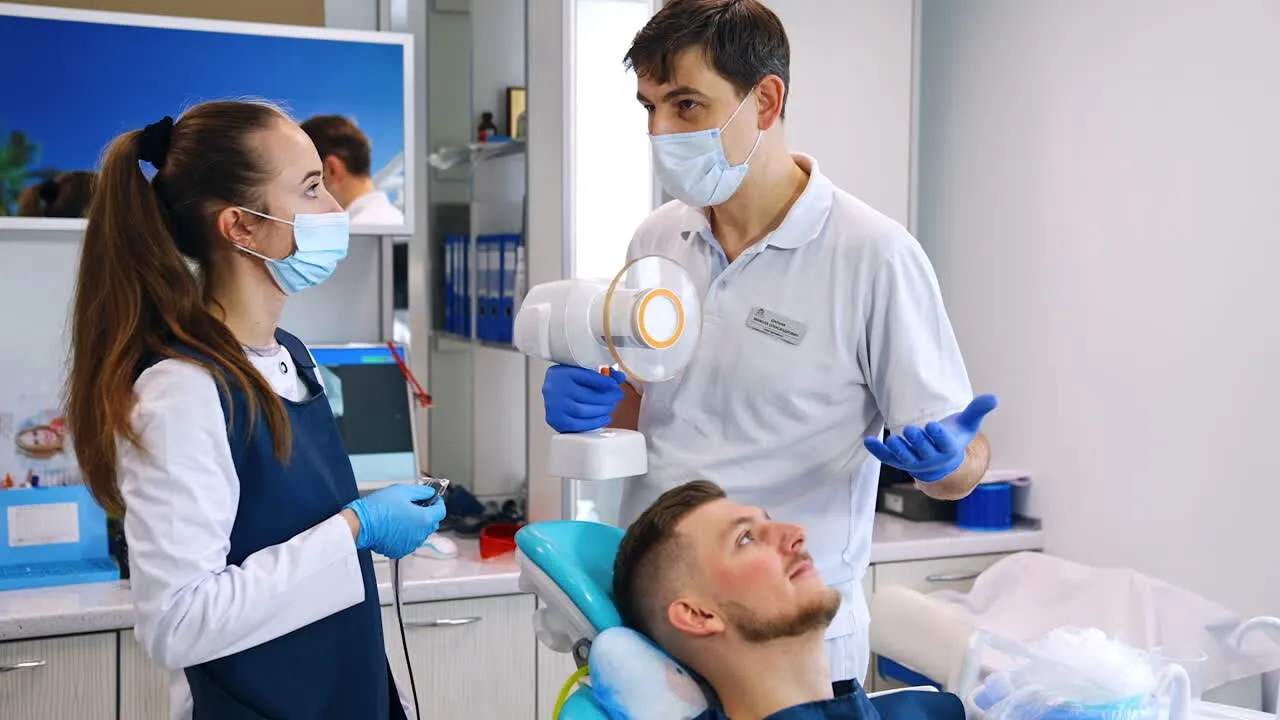
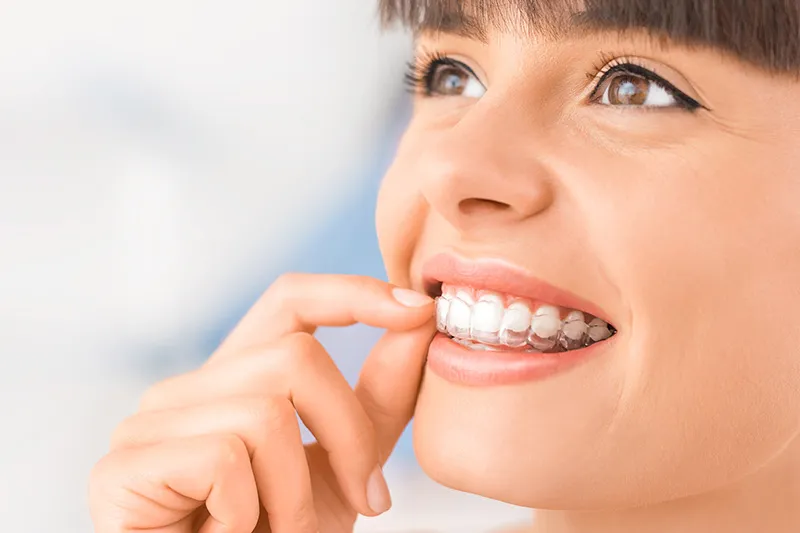
If you're trying to decide between Invisalign and traditional braces, the short answer is: it depends on your teeth, your bite, and your lifestyle. Both can straighten teeth effectively, but they work differently, fit into daily life differently, and suit different situations. This guide walks through the practical differences so you can have a more informed conversation at your next dental visit in Lakewood, Golden, Wheat Ridge, or west Denver.
In this guide:
- How Invisalign and braces each move teeth
- A side-by-side comparison of daily life, hygiene and treatment time
- Who tends to be a good candidate for each
- What an orthodontic evaluation at our Lakewood office covers
Invisalign vs Braces: The Basics
Traditional braces use metal or ceramic brackets bonded to each tooth, connected by a wire that your dentist or orthodontist adjusts over time. Invisalign uses a series of clear, removable plastic aligners that you switch out on a schedule your dentist sets as your teeth gradually shift.
Both approaches move teeth using gentle, sustained pressure. The difference is mostly in how that pressure is delivered and how much control you have day to day.
Invisalign and braces side by side
| Invisalign | Traditional braces | |
|---|---|---|
| What it is | Clear, removable plastic aligners | Brackets bonded to the teeth, joined by a wire |
| Visibility | Hard to notice | Visible brackets and wire |
| Eating | Aligners come out to eat | Some hard or sticky foods should be avoided |
| Cleaning | Brush and floss as usual | Extra care around brackets and wires |
| Depends on you | Wearing aligners as directed | Little; braces stay on full-time |
| Often used for | Mild to moderate crowding or spacing | More complex movements and bite problems |
How Invisalign Works
Invisalign treatment starts with a digital picture of your mouth. At Lakewood Dental of Colorado, that typically means taking photos, bite records, and sometimes X-rays, which are then used to build a custom digital treatment plan using Invisalign's software. From there, you receive a series of clear aligner trays made specifically for your teeth.
How the aligner process works, step by step
- Evaluation. The dentist checks your teeth, gums and bite to see whether aligners suit your needs.
- Records. Photos, bite records and X-rays when needed are used to plan treatment.
- Your plan. A digital treatment plan maps how your teeth will move.
- Aligners. You receive custom aligners and move through the series as directed.
- Check-ins. You visit the office from time to time so progress can be checked.
- Retainers. Once treatment is finished, retainers help maintain the new position of your teeth.
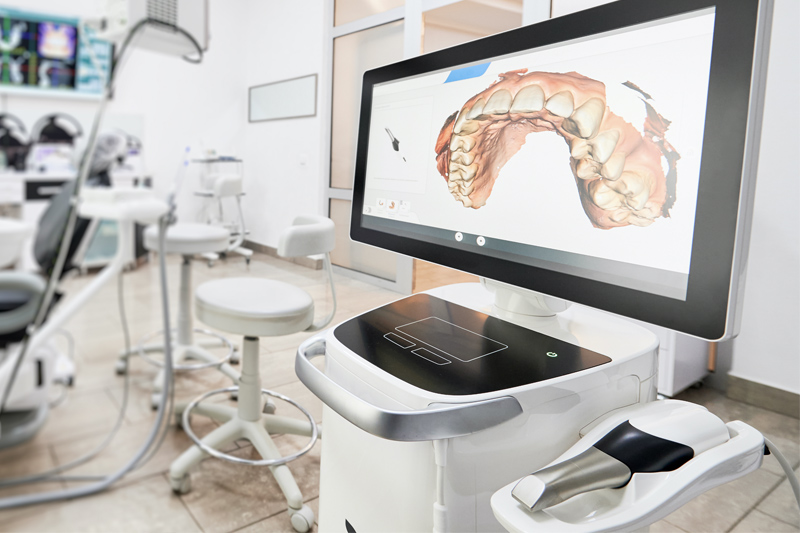
You wear each set of aligners for a set number of weeks, then move to the next set in the series as your teeth gradually shift into place. Because the aligners are removable, you take them out to eat, drink anything other than water, brush, and floss.
How Traditional Braces Work
Braces are bonded directly to your teeth and stay in place for the full course of treatment. A wire runs through the brackets, and your dentist or orthodontist periodically tightens or adjusts it to keep teeth moving in the right direction.
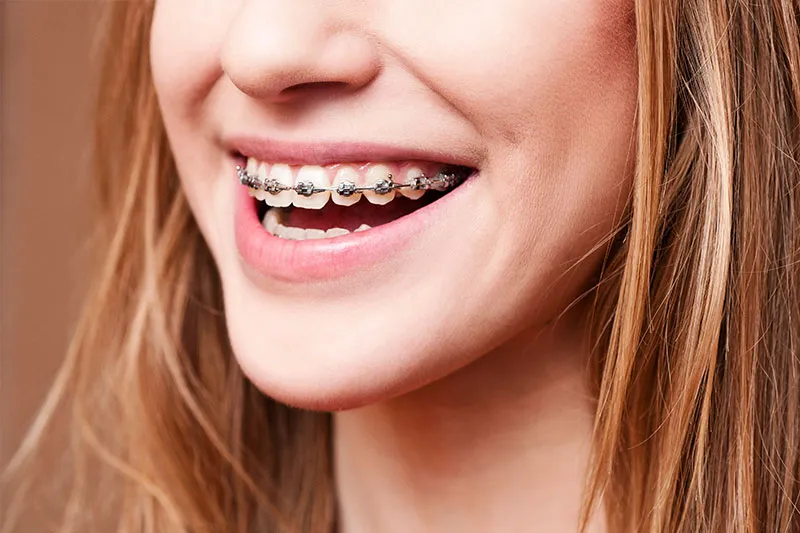
Because braces aren't removable, they work around the clock without relying on you to wear them a certain number of hours. This makes them a reliable option for more involved tooth movement.
Cost Comparison: Invisalign vs Braces
There's no single price that applies to everyone. What you'll pay for either Invisalign or braces depends on factors like how complex your case is, how long treatment is expected to take, whether you need any prep work first, and the specific plan your dentist recommends.
Rather than guessing based on national averages, the most accurate way to understand your own costs is a personalized evaluation. During an orthodontic evaluation at Lakewood Dental of Colorado, your dentist can look at your specific crowding, spacing, or bite concerns and give you a clearer picture of what treatment — and its cost — would actually look like for you.
Treatment Time: Which Moves Teeth Faster?
In general, Invisalign tends to work faster for mild to moderate cases, often wrapping up in a shorter overall timeframe than braces. Traditional braces are frequently used for more complex movements and can take longer as a result, especially when teeth need significant rotation or repositioning.
It's worth noting that Invisalign's timeline depends heavily on wear time. Aligners are designed to be worn most of the day and night, coming out mainly to eat, drink and clean your teeth. If they're left out too often, treatment can take longer than planned. Using aligners for a case that really calls for braces can also stretch out the timeline. This is one more reason a proper evaluation matters before choosing a path.
Comfort, Appearance & Lifestyle Differences
Invisalign's biggest appeal for most people is that it's hard to notice and easy to remove. You can eat and drink what you want, brush and floss your teeth normally, and take the aligners out for photos or special occasions.
The aligners themselves are smooth plastic, with no wires or brackets, so there's less rubbing or irritation on your cheeks and lips compared to metal braces. Traditional braces, on the other hand, give your dentist or orthodontist more consistent, round-the-clock control over tooth movement, which matters for more complicated cases.
If you're someone who plays wind instruments, eats a lot of harder or stickier foods, or simply doesn't want a visible appliance, Invisalign's flexibility may fit your life better. If you'd rather not worry about remembering to put aligners back in, braces remove that variable entirely.
Oral Hygiene: Cleaning Around Braces vs Aligners
Because Invisalign aligners come out, you brush and floss your teeth the same way you always have, without navigating wires and brackets. This can make it easier to keep up good oral hygiene habits throughout treatment.
A daily routine with aligners
- Take aligners out to eat and to drink anything other than water
- Brush and floss before putting them back in
- Rinse the aligners and keep them clean as your dentist directs
- Store them in their case whenever they're out, so they don't get lost or damaged
A daily routine with braces
- Brush carefully around each bracket and along the gumline
- Use floss threaders or interdental brushes under the wire
- Avoid very hard or sticky foods that can loosen brackets
- Call the office if a wire pokes or a bracket comes loose
With braces, food can get caught around brackets and under wires, so cleaning takes more care and sometimes special tools like floss threaders or interdental brushes. Neither option is impossible to keep clean, but Invisalign generally requires less adjustment to your existing routine.
Who's a Good Candidate for Invisalign?
Good Invisalign candidates typically have healthy teeth and gums, a jaw that's finished growing, and mild to moderate crowding or spacing issues. Invisalign also asks something of you: the discipline to wear and care for aligners consistently, since results depend on following the wear schedule.
If your bite and spacing concerns are relatively straightforward, Invisalign may be a strong fit. If you're not sure where your case falls, that's exactly what an orthodontic evaluation is for.
Questions to ask at your evaluation
- Am I a candidate for Invisalign, or would braces suit my case better?
- What does my expected timeline look like?
- How often will I need check-in visits?
- How should I care for my teeth during treatment?
- What role will retainers play afterward?
- What are my payment options? See our financing page for the plans the office works with.

When Traditional Braces Are the Better Choice
Severe crowding, large gaps, significantly rotated teeth, or bite problems that involve the jaw are generally better suited to traditional braces. Because braces stay on full-time and don't depend on you remembering to wear them, they offer more predictable control for complex movements.
A jaw that's still growing — common in younger patients — can also point toward braces rather than aligners, since orthodontic needs can shift as growth continues.
Invisalign and Braces for Teens vs Adults
For teens, Invisalign tends to be more comfortable day to day since there are no sharp wires and no regular wire-tightening appointments. That said, braces remain a dependable option for younger patients, particularly when jaws are still developing or when a case involves more complex movement.
For adults, lifestyle factors often weigh more heavily. Many adults appreciate that Invisalign is harder to notice in professional or social settings and that it doesn't interfere with eating the way braces can.
Either way, age alone doesn't determine which option is right — your teeth, bite, and treatment goals do.
Families can also keep everyone's care in one place: see our family dentistry page, and keep up with regular exams and cleanings during treatment.
Getting Started in Lakewood, CO
The most reliable way to know whether Invisalign or traditional braces makes more sense for you is a hands-on evaluation. At Lakewood Dental of Colorado, an orthodontic evaluation looks at crowding, spacing, and bite concerns, discusses whether Invisalign is a good fit for your situation, outlines an expected treatment timeline, and explains the role retainers play once treatment is finished.
Lakewood Dental of Colorado is located at 84 Garrison St., Suite A, Lakewood, CO 80226, and serves patients throughout Lakewood, Golden, Wheat Ridge, and west Denver. You can reach the office at (303) 233-1112 to schedule a consultation, or learn more about the practice's orthodontics and Invisalign services online.
You can also contact us online to request an evaluation.
FAQs
Is Invisalign as effective as traditional braces?
Both Invisalign and traditional braces are established ways to move teeth, but which one is appropriate depends on your specific case. Mild to moderate crowding or spacing often works well with Invisalign, while more complex movements may call for braces. An evaluation is the way to find out what applies to your teeth.
How do I know if I need braces instead of Invisalign?
Signs that braces might be the better fit include severe crowding, large gaps, significantly rotated teeth, or bite issues involving the jaw. A still-growing jaw can also point toward braces. Your dentist can assess your bite and spacing during an orthodontic evaluation and recommend the option that fits your situation.
Does Invisalign take less time than braces?
For many mild to moderate cases, Invisalign treatment tends to be shorter than treatment with traditional braces. However, timelines vary by individual case, and Invisalign's schedule depends on wearing the aligners consistently as recommended. Your dentist can give you a more specific estimate after an evaluation.
Can adults get Invisalign, or is it mainly for teens?
Invisalign is used by both teens and adults. Many adults choose it because it's less noticeable and doesn't interfere with eating the way fixed braces can. The right choice still comes down to your individual teeth and bite, which is assessed in person.
Do I still need regular cleanings during orthodontic treatment?
Yes. Keeping up with exams and cleanings matters during treatment, since aligners and braces both give plaque more places to collect.
What happens after my teeth are straight?
Your dentist will talk with you about retainers, which help hold your teeth in their new position once treatment is finished.
---
This article is general information, not dental or medical advice. Every patient is different; book a consultation for advice about your own situation.