
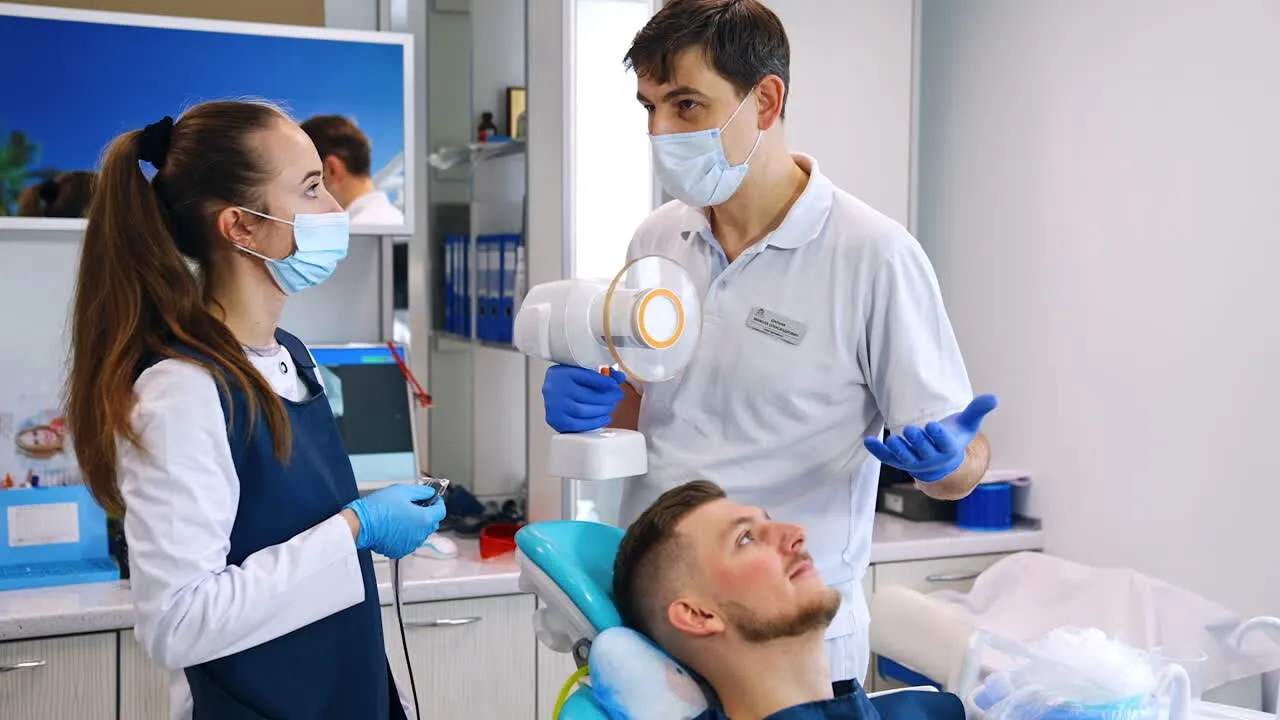
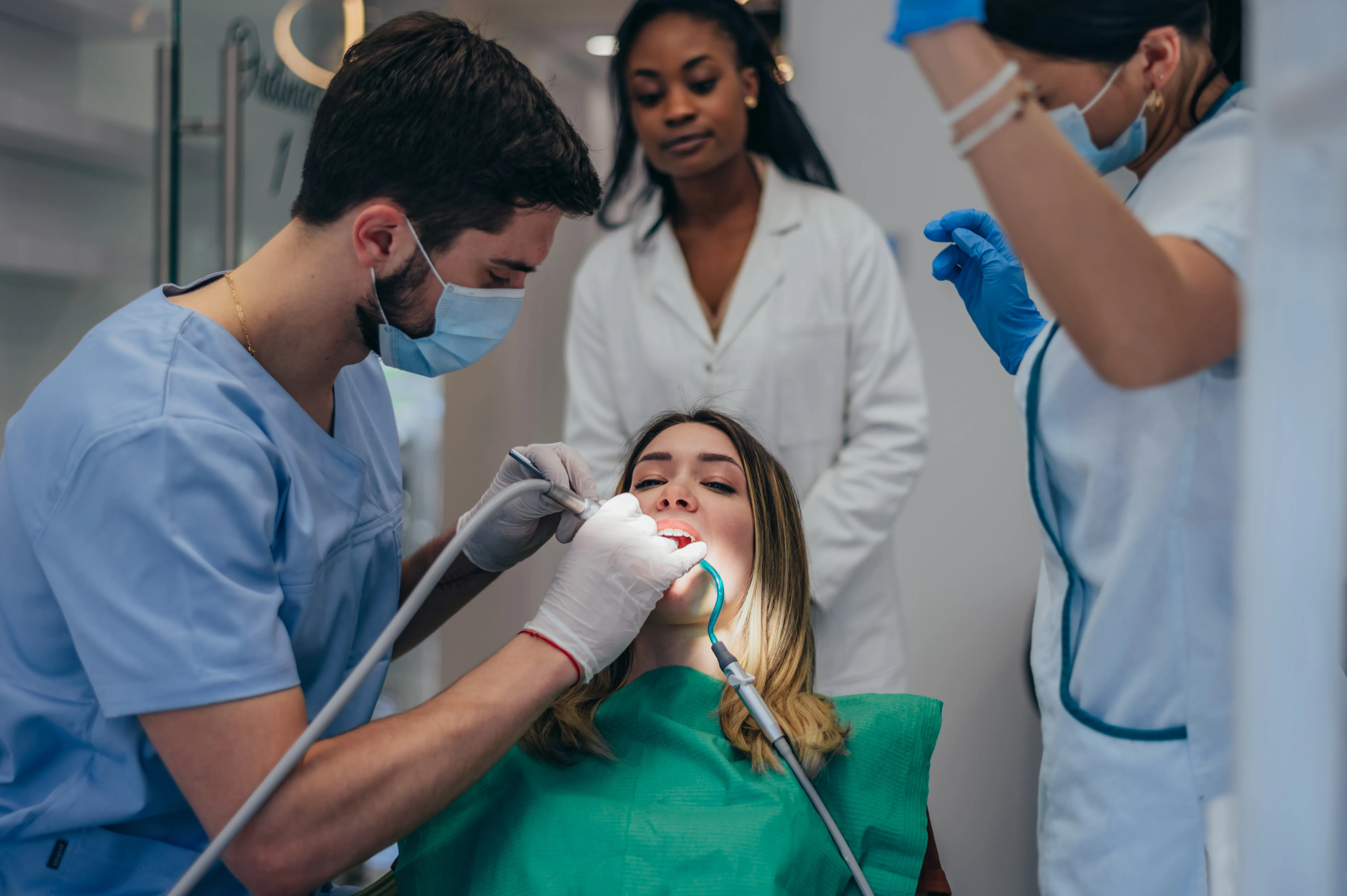
"Laser dentistry" sounds high-tech, and it is easy to come away from an online search thinking a laser can replace every drill and every stitch. The reality is more measured. At Lakewood Dental of Colorado, a dental laser is one of several tools Dr. Tariq Sawaqed can use for certain procedures. Whether it is the right tool for you depends on the procedure, the tissue being treated and your own health. This guide explains what dental lasers are, how they fit into care at our Lakewood office, and the questions worth asking before treatment.
What a Dental Laser Is
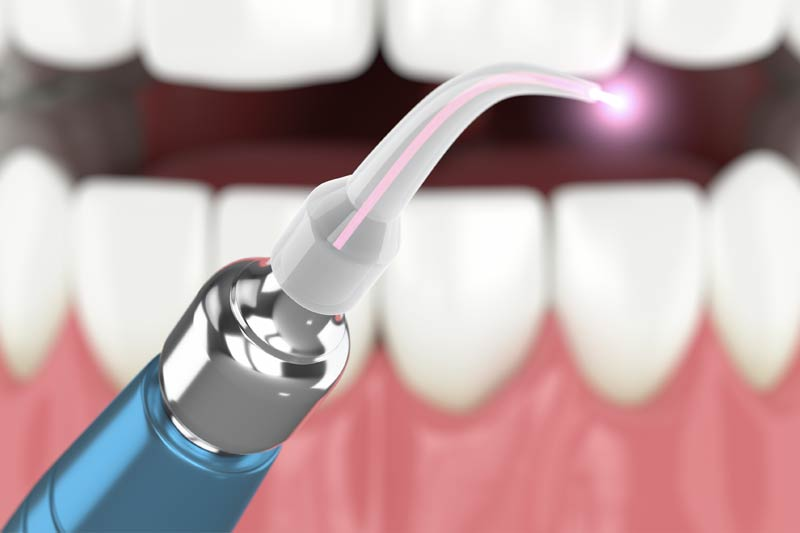
A dental laser is an instrument that uses focused light energy to work on tissue in the mouth. As our technology page puts it, dental lasers use light energy for specific dental procedures, and their uses depend on the type of laser and the tissue being treated.
Hard tissue and soft tissue
Dental lasers are generally grouped by the kind of tissue they are designed to work on. The Healthline overview of laser dentistry describes two main groups:
- Hard tissue refers to the teeth.
- Soft tissue refers to the gums and other soft tissues of the mouth.
Different lasers are built for different jobs. A laser designed for gum tissue is not the same as one designed for tooth structure, which is one reason the answer to "can you use a laser for this?" is always specific to the procedure.
What a laser is not
A laser is not a separate kind of dentistry with its own set of results. It is an instrument, in the same way a handpiece or a hand scaler is an instrument. The diagnosis, the treatment plan and your follow-up care still come first. A laser may change how one step of a procedure is done, but it does not change the need for an accurate exam and a plan built around your mouth.
How We Decide Whether a Laser Is an Option
Our office is direct about this: a laser may be appropriate for some procedures, but it is not suitable for every treatment or patient. Dr. Tariq Sawaqed will explain whether a laser is an option for you, along with its potential benefits, its limitations and the alternatives.
What goes into the decision
Several factors shape whether a laser makes sense for a particular step of care:
- The procedure itself. Some procedures lend themselves to a laser and others do not.
- The tissue involved. Gum tissue and tooth structure call for different instruments.
- Your health history. Medical conditions and medications can affect which approach is appropriate.
- The size and location of the area. Access and visibility matter for any instrument.
- Your preferences. Once you understand the options, your questions and comfort are part of the conversation.
Why we don't promise a laser in advance
It is tempting to book "laser treatment" the way you might book a cleaning. We don't recommend approaching it that way. The instrument should follow the diagnosis, not the other way around. If you have read about a specific laser procedure online, bring it up at your visit, and your dentist will explain how it applies to your situation and what we offer here.
What a Visit Looks Like, Step by Step
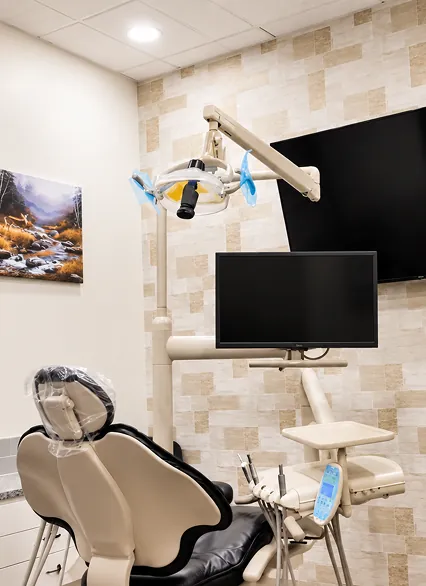
If laser use might be part of your care, here is how the process usually unfolds at our Lakewood office:
- Exam and history. We review your health history, your concerns and any symptoms, then examine your teeth and gums.
- Imaging when needed. Depending on the concern, your dentist may recommend digital X-rays or other imaging to see areas that can't be checked visually.
- A diagnosis in plain language. You will hear what your dentist found and what it means for your teeth or gums.
- Options side by side. If a laser is one option, your dentist explains how it compares with other approaches, including limitations.
- Your questions answered. Nothing moves forward until you understand the plan and are comfortable with it.
- Treatment and aftercare. Whatever instrument is used, you will receive aftercare instructions for the procedure you had.
Common Questions to Ask About Any Laser Procedure
Asking good questions helps you make a confident decision. Consider bringing this list to your appointment:
- Is a laser an option for my specific procedure, or only for part of it?
- What are the potential benefits of using a laser in my case?
- What are the limitations, and what would the alternative approach involve?
- Will I need local anesthesia either way?
- What should I expect afterward, and what aftercare will I need?
- Is there anything in my health history that changes the recommendation?
Your dentist would rather answer these questions up front than have you guessing.
Where Lasers Fit in General Dental Care
Lasers are part of a much bigger picture. Most dental care still rests on the basics: regular exams, professional cleanings, daily brushing and cleaning between your teeth, and catching problems while they are small.
Gum care
Gum disease begins with a sticky film of bacteria called plaque. The ADA's MouthHealthy guide to gum disease and the National Institute of Dental and Craniofacial Research both describe how gum problems can develop and why early attention matters. At our office, periodontal care includes a gum evaluation at maintenance visits, digital X-rays to check for bone changes, professional cleanings and, when needed, deep cleaning. If a laser is appropriate as part of your gum care, your dentist will explain where it fits.
Treating tooth decay
The ADA's guide to tooth decay explains how cavities form and why they need attention. Cavities are treated with dental fillings placed to the shape and function of the tooth. Whether any step of that process uses a laser depends on the tooth and the extent of the decay.

Laser vs. Traditional Instruments: An Honest Comparison
When patients ask how a laser compares with traditional instruments, the most useful answer focuses on decisions rather than slogans:
| Question | How the answer is decided |
|---|---|
| Can a laser be used for my procedure? | It depends on the procedure and the tissue involved; your dentist will tell you |
| Will I still need numbing? | It depends on the procedure; your dentist will explain your comfort options |
| What are the limitations? | Every instrument has limits, and your dentist will explain them for your case |
| What is the alternative? | Your dentist will describe the traditional approach so you can compare |
| What aftercare will I need? | You will receive instructions for the specific procedure you had |
Common Misunderstandings About Dental Lasers
Online articles about laser dentistry are often written to sell a procedure. Here are a few ideas worth checking with your dentist before you rely on them:
- "A laser means no numbing." Comfort options depend on the procedure. Your dentist will explain what to expect for your treatment, laser or not.
- "A laser works for everything." Lasers are designed for specific tissues and procedures. Many parts of dental care still use traditional instruments.
- "Laser treatment skips the exam." An accurate diagnosis always comes first, and imaging may still be needed.
- "Aftercare doesn't matter with a laser." Every procedure has aftercare. You will receive instructions for the treatment you had, and following them supports healing.
Insurance and payment questions
Coverage depends on your plan and the treatment you need. Our team can help you understand how your benefits may apply, and our financing page explains the payment options available through third-party lenders, subject to their approval.
Comfort and Communication
Many patients ask about lasers because they want a more comfortable visit. That is a fair goal, and it is one we share regardless of which instrument is used. If you feel anxious about dental care, tell us. Our team can talk through each step before it happens, check in during treatment and pause when you need a moment. For some patients, sedation dentistry may also be worth discussing.
Before your appointment
A little preparation makes the conversation more productive:
- Write down any symptoms, such as sensitivity, bleeding gums or discomfort when chewing
- List your medications and any recent changes in your health
- Note anything you have read about laser treatment that you would like explained
- Think about what matters most to you, such as comfort, timing or understanding alternatives
FAQ
Does Lakewood Dental of Colorado use lasers for every procedure?
No. A laser may be appropriate for some procedures, but it is not suitable for every treatment or patient. Dr. Tariq Sawaqed will explain whether a laser is an option for your care.
Is laser dentistry a different kind of treatment?
A dental laser is an instrument that uses light energy for specific procedures. It may change how a step of treatment is done, but the diagnosis and treatment plan still come first.
How do I know if a laser is right for me?
Your dentist will look at the procedure, the tissue involved and your health history, then explain the potential benefits, limitations and alternatives so you can decide together.
Can I ask for laser treatment specifically?
You are welcome to ask. Your dentist will explain whether a laser applies to your situation and, if not, why another approach is recommended.
What should I bring to my appointment?
Bring a list of your symptoms, your medications and any questions about laser treatment or other options. Recent dental images from another office are also helpful.
Talk With Our Team
If you have questions about laser dentistry or any other part of your care, we are happy to walk you through your options. Learn more about Dr. Tariq Sawaqed, read our new patient information, or contact Lakewood Dental of Colorado to request an appointment. You can also call our office at (303) 233-1112.

Sources
- Laser Dentistry · Healthline
- Gum Disease · MouthHealthy (ADA)
- Periodontal (Gum) Disease · NIDCR
- Tooth Decay · MouthHealthy (ADA)
- Tooth Disorders · MedlinePlus