
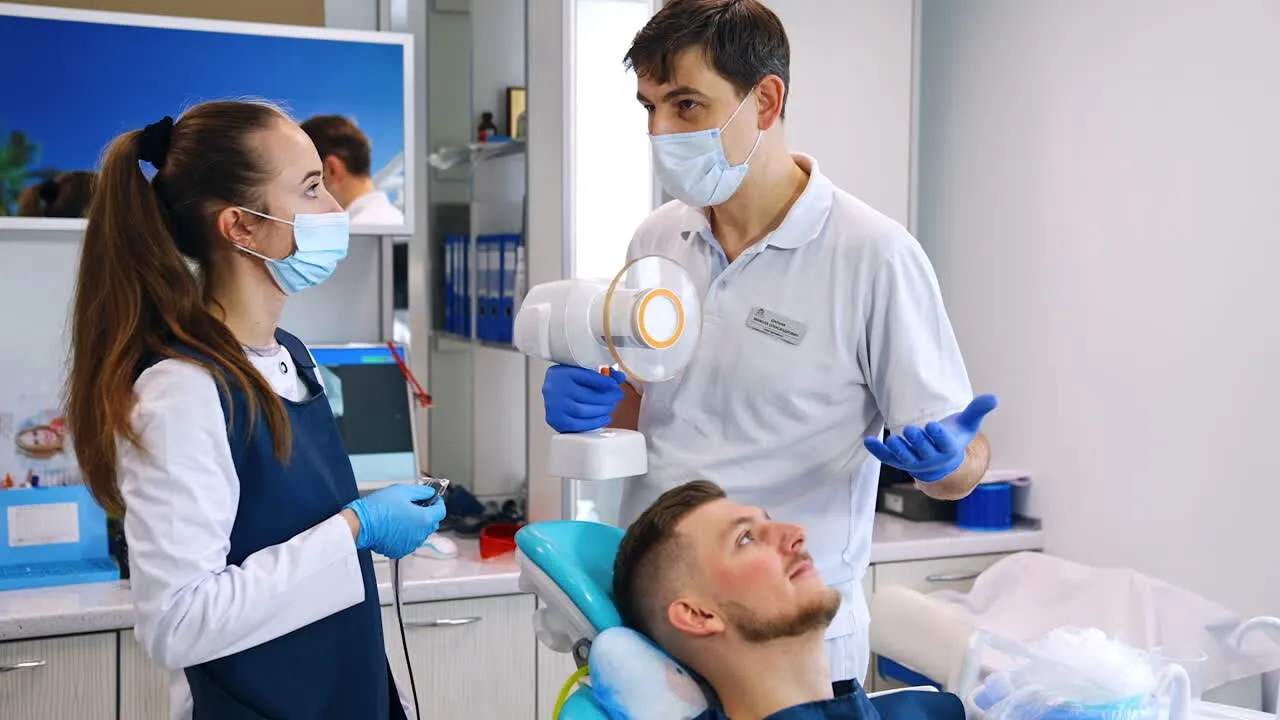
Few dental phrases make people as uneasy as "root canal." The good news is that the treatment itself is often far more manageable than its reputation suggests. At Lakewood Dental of Colorado, we explain every step before we start, so you know what is happening, why it is being recommended, and what to expect afterward. This guide walks you through the basics: what a root canal is, the signs that a tooth may need one, how the visit works, and how to look after your tooth once treatment is complete.
What Is a Root Canal?
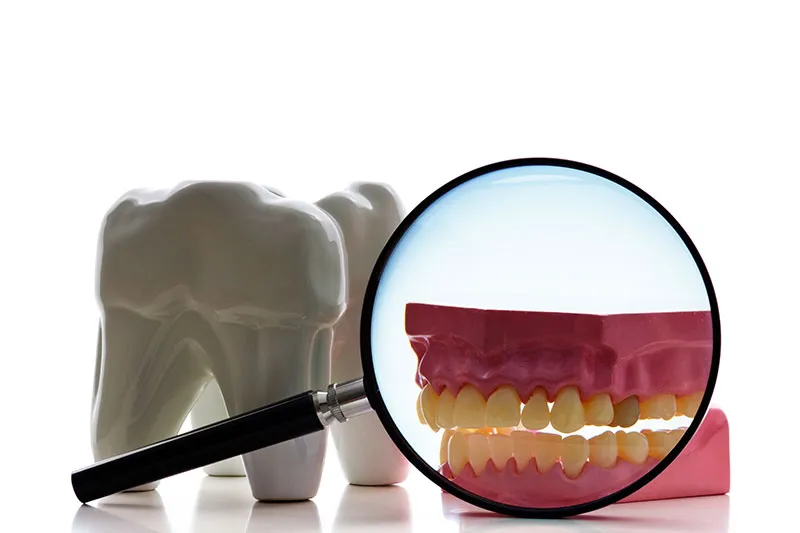
A root canal is a procedure designed to save a natural tooth that might otherwise be lost. Every tooth has a soft inner core called the pulp. The pulp holds the nerve, blood vessels and connective tissue that kept the tooth alive while it was developing. When that pulp becomes inflamed or infected, the tooth can become painful, and the infection can spread to the tissues around the root.
During root canal treatment, the inflamed or infected pulp is removed, the inside of the tooth is cleaned and shaped, and the space is filled and sealed. The outer structure of the tooth stays in place, which is why so many patients and dentists prefer saving a tooth to removing it. As our root canal service page puts it, it is always better to save a tooth than to have it extracted and replaced, when saving it is a realistic option.
Why the pulp becomes inflamed
The pulp can be irritated in several ways. According to MedlinePlus and the National Institute of Dental and Craniofacial Research, common causes include:
- Deep tooth decay that reaches the inner layers of the tooth
- A crack or chip that lets bacteria into the tooth
- Repeated dental work on the same tooth over the years
- An injury to the face or mouth, even when the tooth does not look broken
Root canal vs. extraction
When a tooth is badly damaged, the two main paths are treating it or removing it. Removing a tooth may seem simpler in the moment, but it leaves a gap that usually needs to be addressed later with a bridge, a dental implant or a partial denture to keep the neighboring teeth from drifting and to keep chewing comfortable. Keeping your own tooth avoids that next step. Dr. Tariq Sawaqed will talk you through both options and explain which one makes sense for your tooth.
Signs You Might Need a Root Canal
An inflamed or infected pulp often produces symptoms that prompt people to call us. The signs our team watches for include:
- A toothache that keeps coming back, especially sharp pain at night that spreads into a general headache
- An abscess, which can look like a small bump on the gum near the tooth, sometimes with pus or a bad taste
- Strong sensitivity to hot or cold that lingers after the food or drink is gone
- Dark discoloration of a single tooth, which can point to a pulp that is breaking down
- Tenderness when chewing or when you tap on the tooth
- Swollen or tender gums around one tooth
Some infected teeth cause little or no pain, which is one reason regular exams and X-rays matter. If you notice recurring pain that does not settle down, contact our office rather than waiting for it to pass.
When it is an emergency
Swelling in the face or jaw, a fever with tooth pain, or pain that keeps you awake should be treated as urgent. Our emergency dentistry page explains how we handle same-day concerns. If swelling affects your breathing or swallowing, seek emergency medical care right away.
How Root Canal Treatment Works, Step by Step
Root canal treatment is often completed over two appointments: one for the root canal itself and a second for the crown that protects the tooth afterward. Here is what typically happens.
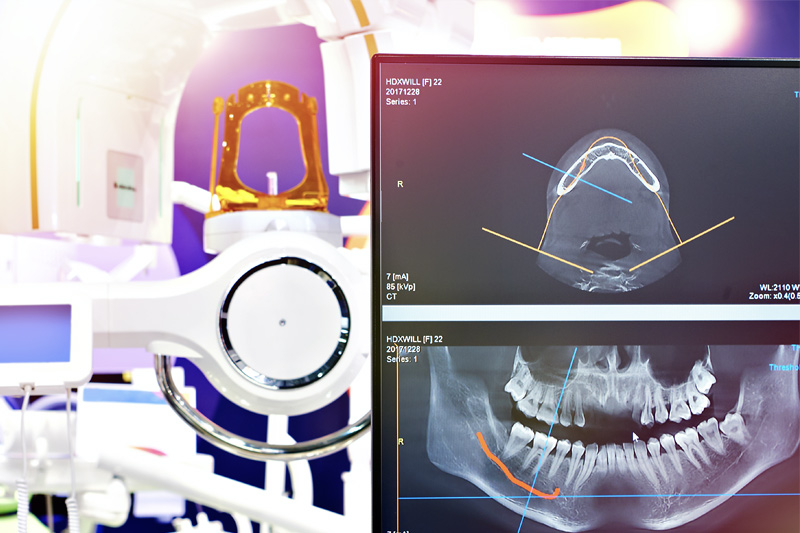
- Examination and X-rays. We look at the tooth, ask about your symptoms and take digital X-rays to see the shape of the roots and the condition of the surrounding bone.
- Numbing the area. Local anesthesia is used so the area is numb before any treatment begins. If you feel anxious about dental work, ask about our sedation options.
- Isolating the tooth. A small protective sheet keeps the tooth clean and dry during treatment.
- Removing the pulp. A small opening is made in the top of the tooth, and the inflamed or infected pulp is removed.
- Cleaning and shaping. The canals inside the root are cleaned, disinfected and shaped.
- Filling and sealing. The canals are filled with a rubber-like material and sealed, and a temporary filling closes the opening.
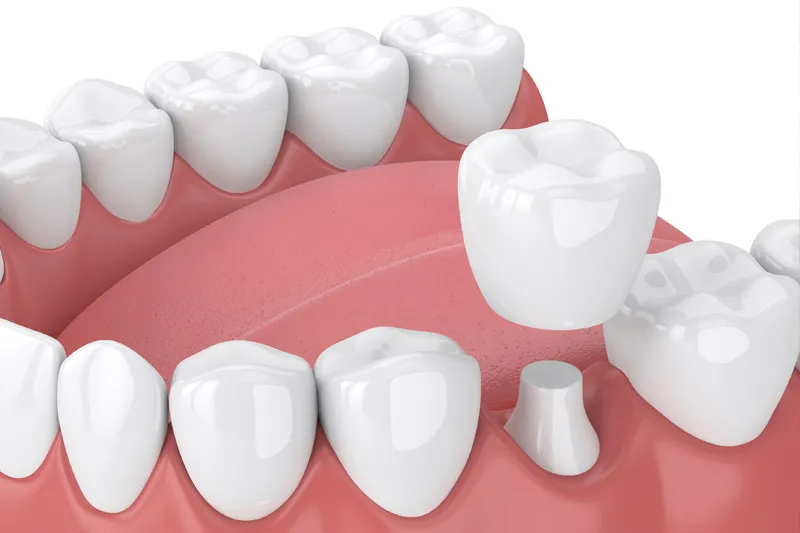
- Protecting the tooth with a crown. At the follow-up visit, the tooth is usually restored with a dental crown to protect it and restore its appearance and function.
Why a crown usually follows
A tooth that has had root canal treatment has often lost a good deal of its structure to decay or damage, and the treatment itself removes more from the inside. The tooth can become more brittle over time. A crown covers and protects it, so it can keep working as part of your bite. Your dentist will explain whether a crown is recommended for your specific tooth.
How to Prepare for Your Appointment
A little preparation makes the day go more smoothly.
- Share your health history. Tell us about medical conditions, allergies and every medication or supplement you take.
- Eat a normal meal beforehand unless you have been given different instructions, since your mouth may be numb for a while afterward.
- Plan for the rest of the day. If you choose sedation, arrange for someone to drive you home.
- Write down your questions. It is easy to forget them once you are in the chair.
- Take any medication you were prescribed exactly as directed.
Questions worth asking at your consultation
- Why is this tooth a candidate for root canal treatment instead of a filling?
- What happens if I wait?
- Will the tooth need a crown afterward?
- What should I avoid eating until the final restoration is in place?
Aftercare: Looking After the Tooth
It is common for the tooth and gums to feel tender for a short time after treatment, especially when you bite down. Your dentist will give you instructions specific to your visit. General guidance includes:
- Avoid chewing on the treated tooth until the final restoration is placed, because a temporary filling is not as strong.
- Keep brushing and flossing normally, while being gentle around the treated area.
- Take pain relievers only as directed by your dentist or physician.
- Call us if you notice swelling, a reaction to medication, a temporary filling coming loose, or pain that gets worse instead of better.
Keeping the tooth healthy over time
A treated and restored tooth still needs the same care as the rest of your teeth. Brush twice a day, clean between your teeth daily, and keep up with your regular checkups and cleanings so small problems are found early.
Common Myths About Root Canals
A lot of what people believe about root canals comes from stories rather than from the treatment as it is done today. A few of the most common ideas, and what is actually true:
- "It is better to just pull the tooth." Keeping your natural tooth, when it can be saved, avoids the gap and the follow-up treatment that a missing tooth usually needs.
- "If it stops hurting, the problem is gone." Pain can fade when the nerve inside the tooth stops working, but the infection can remain and continue to spread.
- "A root canal means the tooth is dead and useless." A treated and restored tooth can continue to work in your bite, supported by good daily care and regular checkups.
If you have heard something that worries you, bring it up at your visit. Our team is happy to explain how treatment works at our office and answer any question, however small.
Root Canal Treatment at a Glance
| Stage | What happens | What you can do |
|---|---|---|
| Before | Exam, X-rays and a treatment plan | Share your health history and questions |
| During | Numbing, cleaning the inside of the tooth, sealing | Ask about sedation if you feel anxious |
| After | Temporary filling, then a crown at a follow-up visit | Chew on the other side and follow instructions |
| Long term | Routine exams keep an eye on the tooth | Brush, floss and keep regular visits |
FAQ
Does a root canal hurt?
The area is numbed before treatment begins, and most of the discomfort people associate with root canals comes from the infection itself rather than the treatment. Some tenderness afterward is common and usually settles as the area heals. If you are anxious, ask about sedation options.
Can I just take antibiotics instead?
Antibiotics do not remove inflamed or infected pulp from inside the tooth. Your dentist may prescribe them in certain situations, but they are not a substitute for treating the tooth itself.
Why does my tooth need a crown after a root canal?
Treated teeth often have less natural structure left and can become more brittle. A crown covers and protects the tooth so it can keep working in your bite.
What if I decide to wait?
An infected tooth does not heal on its own. Waiting can allow the infection to spread and may reduce the chance of saving the tooth. If you notice recurring pain, call us so we can take a look.
Who performs root canals at your Lakewood office?
Root canal treatment is part of the general and restorative care offered at Lakewood Dental of Colorado. During your exam, your dentist will explain whether the tooth can be treated in our office or whether a referral is the right choice for your situation.
Schedule an Evaluation
If a tooth has been aching, reacting to hot and cold, or looks darker than its neighbors, do not wait for it to get worse. Call Lakewood Dental of Colorado at (303) 233-1112 or contact us online to request an appointment. New to our office? Visit our new patients page to see what to bring to your first visit.

Sources
- Root Canal · Cleveland Clinic
- Root canal · MedlinePlus
- Root Canals · MouthHealthy (American Dental Association)
- Tooth Decay · National Institute of Dental and Craniofacial Research