
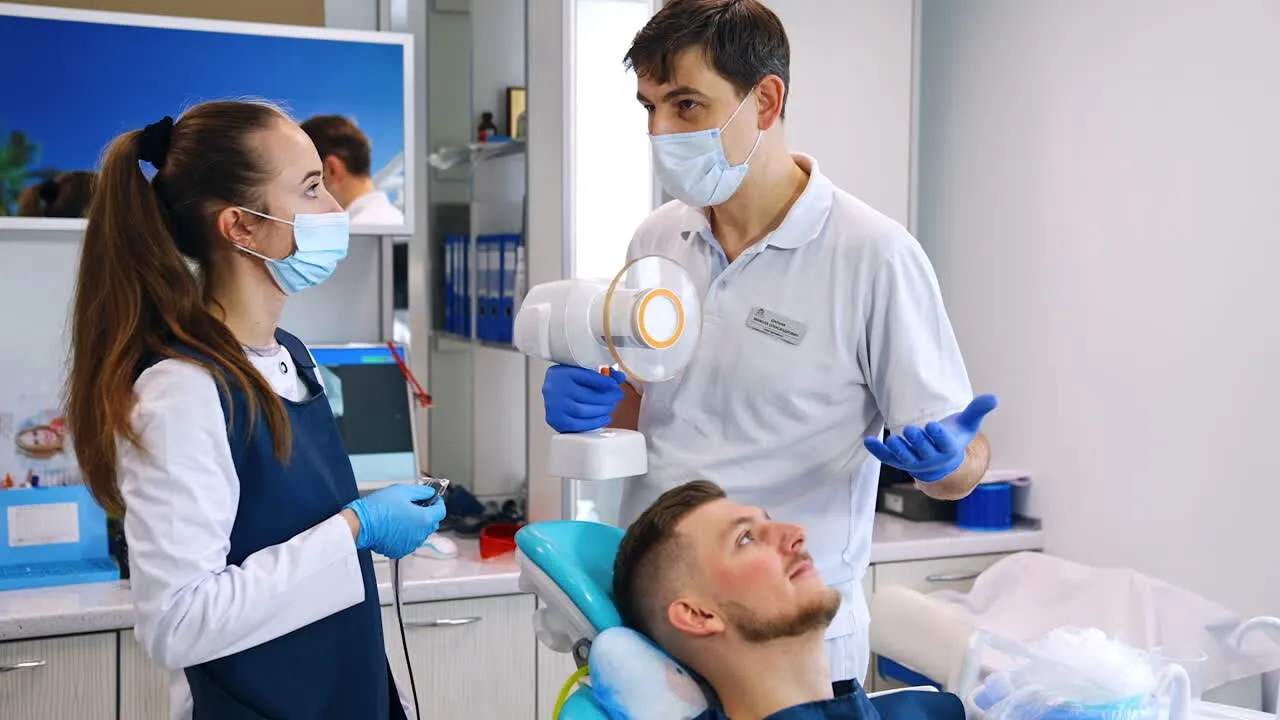

As children grow, their teeth and jaws change quickly. Most of those changes are normal, but some signs suggest it may be worth having a closer look at how your child's teeth are lining up and how their bite fits together. An orthodontic evaluation is simply a check of the teeth, gums and bite. It does not mean your child will need braces, and it gives you information to plan ahead.
At Lakewood Dental of Colorado, Dr. Tariq Sawaqed and our team see patients of all ages. This guide covers the signs parents often notice, what happens at an evaluation, the options that may be discussed, and how to support healthy teeth at home.
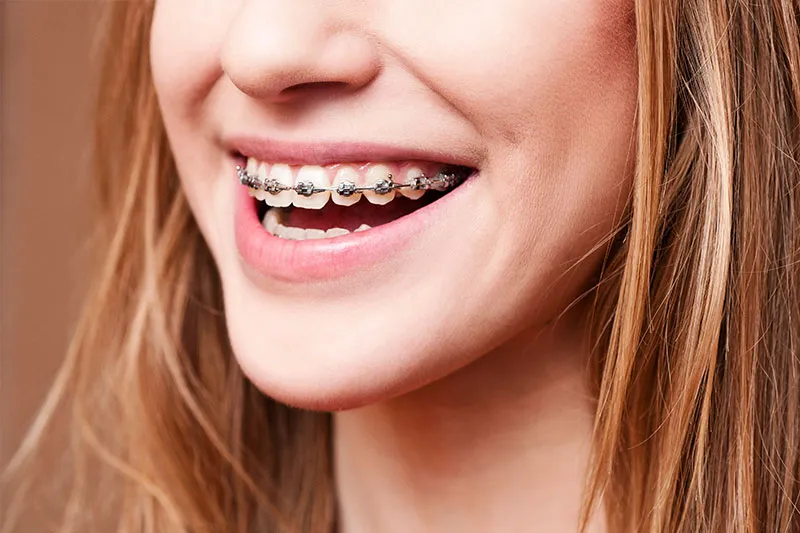
What an Orthodontic Evaluation Looks At
Orthodontic treatment gradually moves teeth to improve their alignment and how they fit together. It can address concerns such as crowding, gaps and certain bite problems. Our orthodontics page explains that an evaluation looks at your teeth, gums and bite, and can help you understand:
- Crowding, spacing and bite concerns
- Whether treatment is needed now, later or not at all
- The expected treatment timeline and follow-up visits, if treatment is recommended
- How to care for teeth during any treatment
- The role of retainers in maintaining results after treatment
When teeth or jaws do not line up well, dentists call it a malocclusion. MedlinePlus describes malocclusion as teeth that are not aligned properly, and explains that it may be caused by a difference between the size of the upper and lower jaws, or between the jaw and tooth size.
Signs Parents Often Notice
Every child develops at their own pace. These signs do not always mean treatment is needed, but they are worth mentioning at your child's next visit.
Signs in the teeth
- Crowded or overlapping teeth, or teeth that seem to have no room to come in
- Large gaps between teeth
- Teeth that stick out noticeably
- Baby teeth lost much earlier or later than other children your child's age
- Adult teeth coming in out of position
Signs in the bite and jaw
- Upper and lower front teeth that do not meet when your child bites down
- Lower teeth that sit in front of the upper teeth
- Teeth that bite on the inside or outside of the opposite teeth on one side
- A jaw that shifts to one side when your child closes their mouth
- Jaw clicking or discomfort when chewing
Habits and everyday clues
- Thumb or finger sucking that continues as adult teeth come in
- Frequent mouth breathing
- Trouble biting or chewing certain foods
- Biting the cheek or the roof of the mouth often
- Speech sounds that seem affected by how the teeth fit together
Cleveland Clinic describes several types of malocclusion, including crowding, overbite, underbite and crossbite, and notes that habits such as thumb sucking can play a role.

What Happens at an Orthodontic Evaluation
An evaluation at our office is relaxed and focused on information. A typical visit includes these steps:
- A conversation with you. We ask about your child's dental history, habits and anything you have noticed.
- An exam of the teeth and gums. Your dentist checks how the teeth are coming in and the health of the gums.
- A bite check. Your child bites together so the dentist can see how the upper and lower teeth meet.
- Images when needed. X-rays may be recommended to see teeth that have not come in yet. Our dental technology page describes the imaging we use.
- A plain-language summary. You hear what the dentist sees, whether any treatment may help, and whether waiting and watching makes more sense.
- Next steps. If needed, your dentist explains options and whether specialist care is recommended.
Why an early look can help
An early evaluation does not always lead to early treatment. Often the result is reassurance and a plan to keep watching as your child grows. When treatment is helpful, knowing early gives your family time to plan. The American Dental Association describes the purpose of orthodontic treatment as creating a healthy bite, with straight teeth that properly meet the opposing teeth.
Options That May Be Discussed
The right approach depends on your child's teeth, bite and growth. Your dentist will explain the choices that fit your child's needs.
| Situation | What may be discussed |
|---|---|
| Mild crowding or spacing | Watching as more adult teeth come in |
| Teeth or bite that need guidance | Orthodontic treatment options and timing |
| Older children and teens with suitable teeth | Clear aligners, such as Invisalign, where appropriate |
| More complex jaw or bite concerns | Whether specialist care is recommended |
Clear aligners for older children and teens
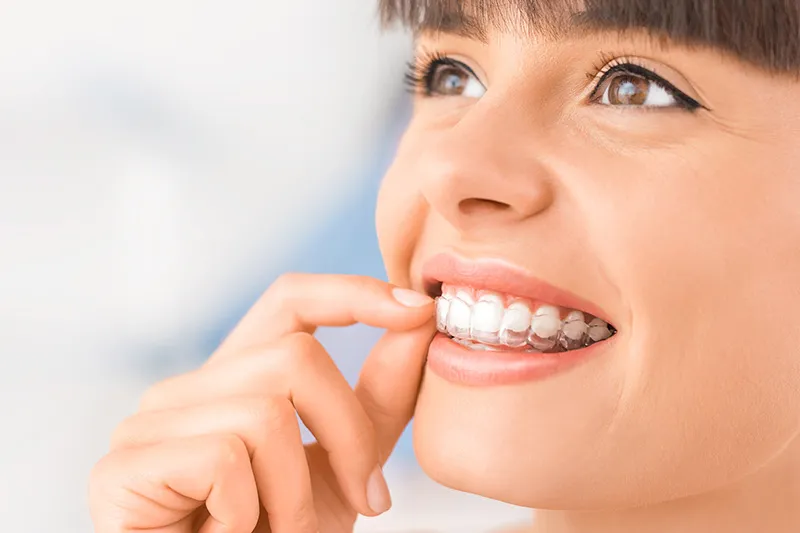
For suitable patients, Invisalign clear aligners may be an option for straightening teeth in a discreet, removable way. Our Invisalign page explains how aligners work and what wearing them involves. Your dentist will explain whether aligners suit your child's needs.
Supporting Healthy Teeth at Home
Whatever the outcome of an evaluation, daily habits help protect your child's teeth.
Home care checklist for parents
- Help with brushing until your child can do a thorough job alone
- Clean between the teeth every day once teeth touch
- Limit sugary snacks and drinks between meals
- Encourage a mouthguard for contact sports
- Keep regular checkups so changes are noticed early
If your child is undergoing orthodontic treatment, cleaning around brackets or aligners takes extra care. Your dentist will show you and your child how to keep teeth and gums healthy during treatment. Our family dentistry team can help with routine care for the whole household.
How Parents Can Help Before and After the Visit
Talking with your child about the visit
Children often feel calmer when they know what to expect. Explain that the dentist will look at their teeth, count them, and ask them to bite together. There are no shots or drills at a routine evaluation. If images are needed, the team will explain each step before it happens.
Keeping notes at home
Small observations help your dentist. Jot down anything you notice, such as when your child mouth-breathes, how they chew certain foods, or whether a habit like thumb sucking is still happening. Photos of your child's smile taken from the front can also help you remember changes over time.
Protecting teeth during sports
If your child plays contact sports, a mouthguard helps protect the teeth and lips. This matters even more during orthodontic treatment, when brackets or aligners are in place. Ask your dentist which type of mouthguard suits your child.
When a tooth is knocked out or broken
Injuries happen, especially with active kids. If a tooth is knocked out, chipped or loosened, call the office right away. Our emergency dentistry page explains what to do in the meantime.
Orthodontics and Your Child's Overall Dental Health
Straighter teeth can be easier to clean, and a well-fitting bite can make chewing more comfortable. Orthodontic care goes hand in hand with healthy habits and regular checkups. Our exam and cleaning visits give your dentist a chance to check how your child's teeth are developing, and to answer questions as they come up.
Questions to Ask at the Evaluation
- What do you see in my child's teeth and bite today?
- Is treatment needed now, later or not at all?
- If we wait, what should we watch for at home?
- Which options might suit my child, and why?
- Is specialist care recommended for my child?
Common Myths Parents Hear
"Crooked baby teeth always mean braces later"
Not necessarily. Some spacing and crowding in baby teeth can change as adult teeth come in and the jaws grow. An evaluation helps tell normal changes apart from concerns worth watching.
"Orthodontics is only about looks"
How teeth fit together affects chewing, cleaning and comfort, not just appearance. A bite that does not meet well can put uneven pressure on some teeth.
"We should wait until all the adult teeth are in"
Waiting may be the right plan for some children, but that decision is easier to make after a check. An early look gives you information, even if the answer is to keep watching.
"Teens are too old for an evaluation"
Teens can benefit from an evaluation too. As adult teeth settle into place, crowding or bite concerns may become clearer. Older children and teens with suitable teeth may also be candidates for clear aligners. An evaluation helps your family understand the options at any stage.
FAQ
Does an orthodontic evaluation mean my child needs braces?
No. An evaluation is a check of the teeth, gums and bite. Often the result is reassurance and a plan to keep watching as your child grows. If treatment may help, your dentist explains the options.
What problems can orthodontic treatment address?
Orthodontic treatment can address crooked or crowded teeth, spacing and certain bite problems. An evaluation helps determine which concerns can be treated and whether specialist care is needed.
When should I bring my child in for an evaluation?
Bring your child in if you notice crowding, gaps, bite problems, jaw shifting or habits like ongoing thumb sucking. Regular checkups from early childhood also give your dentist a chance to spot changes as teeth come in.
Are clear aligners an option for teens?
Clear aligners such as Invisalign may be an option for suitable patients. Your dentist will check your teen's teeth and bite and explain whether aligners fit their needs.
Book an Orthodontic Evaluation in Lakewood
If you have noticed any of these signs, or you simply want peace of mind, our team is happy to take a look. Call Lakewood Dental of Colorado at (303) 233-1112 or contact our office to schedule an evaluation with Dr. Tariq Sawaqed. New families can learn what to bring on our new patients page.

Sources
- Malocclusion of teeth · MedlinePlus
- Malocclusion (Misaligned Bite): Types & Treatment · Cleveland Clinic
- Orthodontics - Braces · American Dental Association (MouthHealthy)
- Dental Health · MedlinePlus