
Your jaw works hard every day. It helps you talk, chew, swallow and yawn, moving many times over the course of a day. When the jaw joint or the muscles around it become sore, those everyday movements can start to feel uncomfortable. At Lakewood Dental of Colorado, we evaluate jaw pain carefully and look for the cause before recommending any treatment. This guide explains what the TMJ is, common symptoms of jaw problems, how an evaluation works, and the types of treatment that may be considered.
What Is the TMJ?
The temporomandibular joint (TMJ) sits just in front of each ear. It connects the lower jaw (the mandible) to the temporal bone of the skull and allows the jaw to move up and down, side to side and forward. Because it moves in so many directions, it is one of the more complex joints in the body.
You have a TMJ on each side of your face, and they work together. Muscles, ligaments and a small disc inside each joint help keep the movement smooth.
TMJ vs. TMD
People often say "TMJ" when they mean jaw pain, but the terms mean different things:
- TMJ refers to the temporomandibular joint itself.
- TMD stands for temporomandibular disorders, a group of conditions that affect the jaw joints and the muscles that control jaw movement.
The National Institute of Dental and Craniofacial Research describes TMD as a group of conditions that can cause pain and difficulty moving the jaw.

Common Symptoms of TMJ Disorders
TMJ disorders can show up in different ways, and the level of discomfort varies from person to person. Common symptoms include:
- Recurring pain or tenderness in the jaw, especially near the ear
- Limited jaw movement, or a jaw that feels stuck or locked
- Pain when chewing, talking or yawning
- Clicking, popping or grating sounds when you open or close your mouth
- Headaches or aching around the temples
- Earaches or a feeling of fullness in the ears without an ear infection
- Facial muscle fatigue, particularly in the morning
- A change in how your upper and lower teeth fit together
Does jaw clicking mean I need treatment?
Not necessarily. According to MedlinePlus and our own TMJ treatment page, clicking without pain or restricted movement may not need treatment. It is still worth mentioning at your visit, especially if it is new or changing.
What Can Contribute to Jaw Pain?
TMJ disorders can have many causes, and often more than one factor is involved. The Cleveland Clinic lists several possible contributors, including:
- Clenching or grinding the teeth, often during sleep or at times of stress
- Injury to the jaw, head or neck
- Arthritis in the jaw joint
- Muscle tension in the jaw, neck and shoulders
- Problems with the disc inside the joint
- Bite changes that affect how the teeth come together
Because the causes vary, a careful evaluation is the starting point for any recommendation.
How a TMJ Evaluation Works
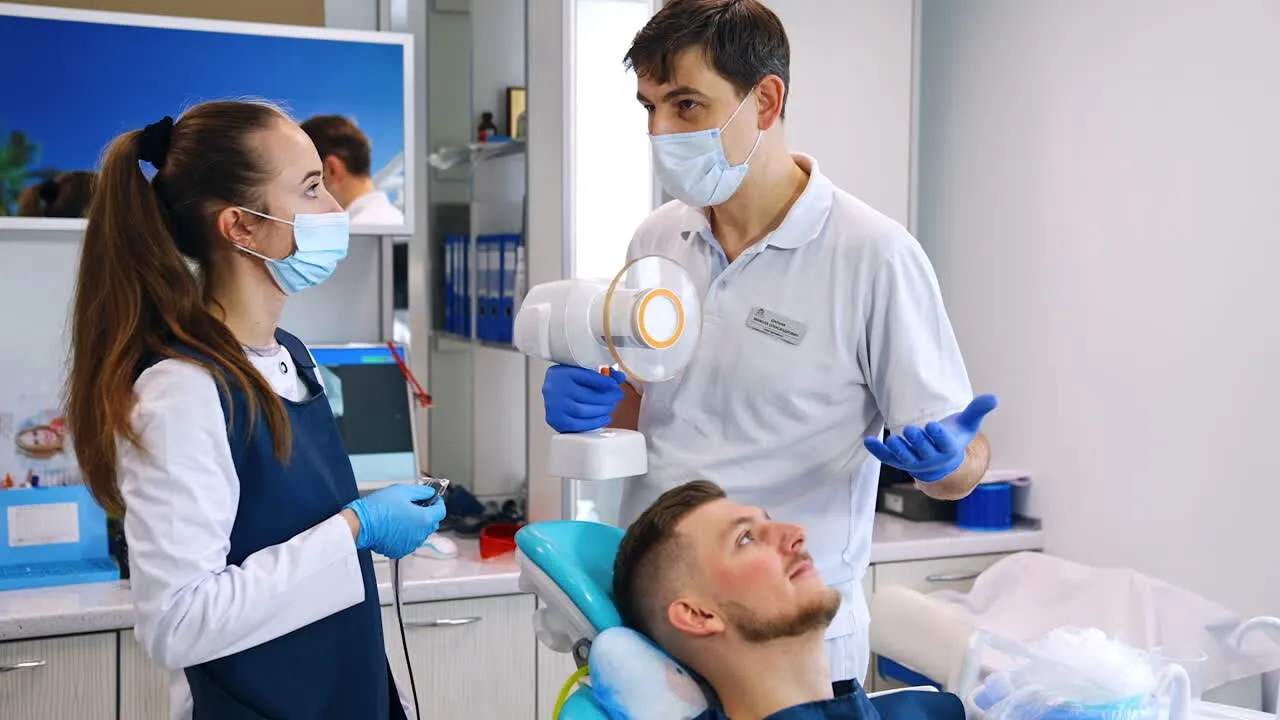
Our approach begins with understanding what is happening and why. A typical evaluation at our Lakewood office includes:
- Your history. We ask when the symptoms started, what makes them better or worse, and whether you have noticed clenching, grinding, headaches or recent injuries.
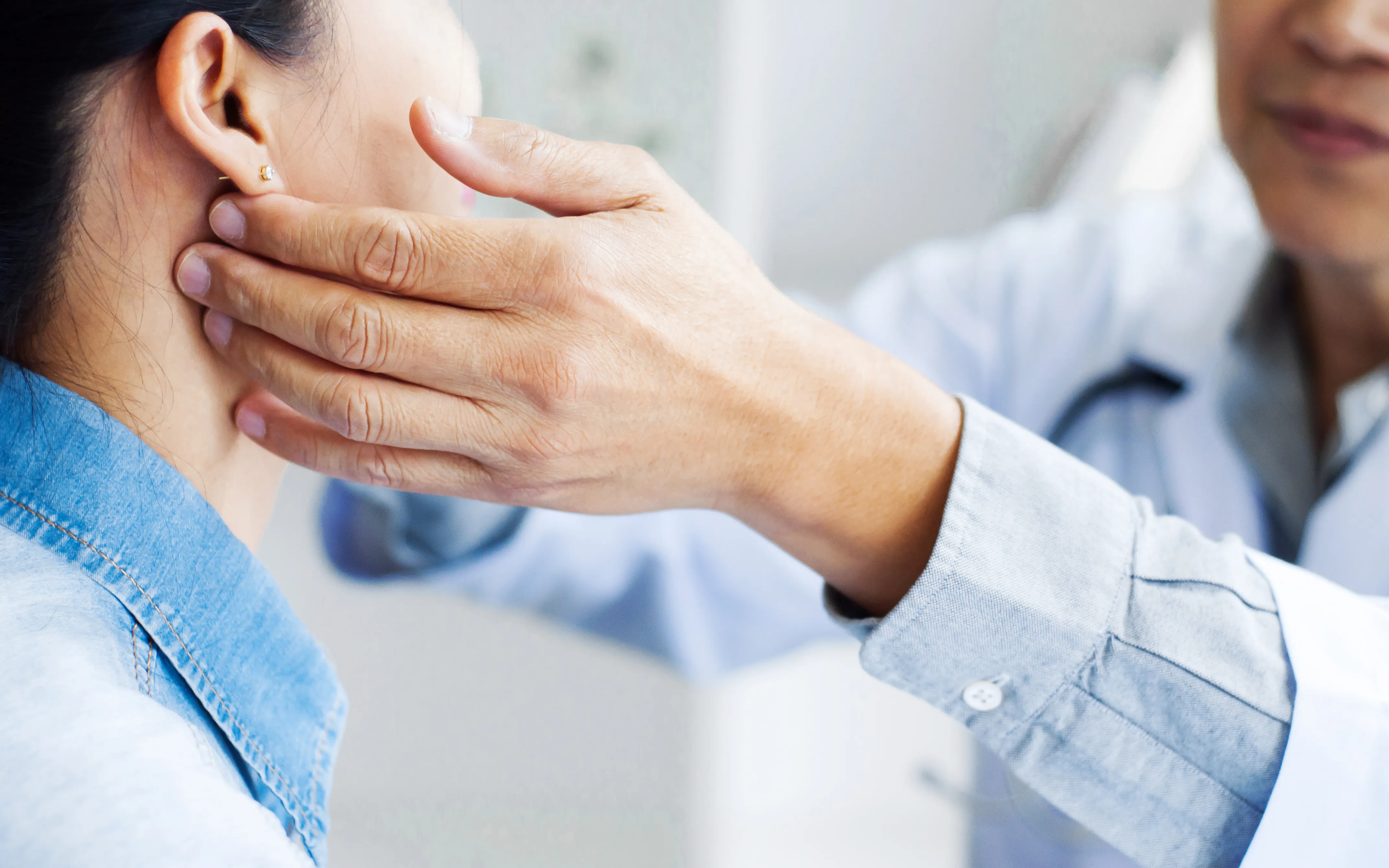
- A jaw and muscle exam. We check how far and how smoothly your jaw opens, listen for joint sounds, and gently feel the muscles of the jaw, temples and neck for tenderness.
- A look at your teeth and bite. We check for signs of wear that can come from grinding, and look at how your teeth fit together.
- Imaging when it is needed. Our dental technology, including digital X-rays and cone beam CT, can help when a more detailed look at the joint or teeth is helpful.
- A clear explanation. We explain what we found, what may be contributing to your symptoms and which options are worth considering.

When we may refer you
Jaw pain can sometimes be related to other medical conditions. If your symptoms suggest something outside of dental care, we will explain why and help you find the right next step with your physician or another provider.
Treatment Options That May Be Considered
There is no single treatment that fits everyone. After the evaluation, the dentist develops a customized plan for your situation. Depending on the cause, that plan may include a combination of the following.
Self-care and habit changes
Many jaw problems are first managed with simple measures. Your dentist may suggest:
- Eating softer foods for a while and cutting food into smaller pieces
- Avoiding gum chewing and very wide yawning
- Applying warm or cold compresses as directed
- Gentle jaw stretches and exercises shown by your provider
- Paying attention to clenching during the day and relaxing the jaw, with the lips together and teeth apart
- Stress management techniques, since stress often shows up as jaw tension
Oral appliances
For people who clench or grind, a custom oral appliance such as a night guard or splint may be recommended. It is made to fit your teeth and is designed to reduce strain on the jaw muscles and protect the teeth from wear. Your dentist will explain how and when to wear it.
Other therapies and recommendations
Depending on your evaluation, your plan may also include recommendations for exercises, supplements or other therapies, as well as advice on managing contributing habits. When dental work such as a crown or orthodontic treatment is related to your bite, your dentist will explain whether it is a part of your plan.

Teeth Grinding and Your Jaw
Clenching and grinding, also called bruxism, are among the habits most often connected with jaw soreness. Many people grind during sleep and have no idea they are doing it until a partner hears it or a dentist notices the wear.
Signs you might be grinding your teeth
- Waking up with a sore jaw, tight facial muscles or a dull headache
- Teeth that look flatter, chipped or worn at the edges
- Increased tooth sensitivity
- Small ridges or bite marks along the inside of the cheeks or the edges of the tongue
Everyday ways to ease jaw strain
Small changes during the day can make a difference in how your jaw feels:
- Check your posture at a desk or while using a phone, since a forward head position can add tension to the neck and jaw.
- Notice when you clench, such as while driving, concentrating or exercising, and gently relax the jaw.
- Avoid chewing on pens, fingernails or ice.
- Build in moments to relax during stressful days, whether that is a short walk, slow breathing or stretching.
If grinding is part of the picture, a custom-fitted appliance from your dentist is a common next step. Our team can talk through whether it makes sense for you.
TMJ Care at a Glance
| Step | What it involves | Your part |
|---|---|---|
| Evaluation | History, jaw and muscle exam, bite check, imaging if needed | Share your symptoms and habits |
| Diagnosis | Identifying what may be contributing to the pain | Ask questions about the findings |
| Plan | Self-care, an oral appliance or other therapies | Follow the plan and track your symptoms |
| Follow-up | Checking how your symptoms are responding | Report changes at your visits |
Tracking Your Symptoms
Keeping simple notes can help your dentist understand your symptoms. Before your visit, try writing down:
- When the pain or stiffness is worst (morning, after meals, at the end of the day)
- Whether you notice clicking, popping or locking
- Whether anyone has noticed you grinding your teeth at night
- Any recent injury, dental work or change in stress
- What you have tried so far and whether it helped
FAQ
What is the difference between TMJ and TMD?
TMJ refers to the temporomandibular joint, which connects your jaw to your skull. TMD refers to disorders affecting the jaw joints and related muscles. These conditions can cause pain or difficulty moving the jaw.
Does jaw clicking mean I need treatment?
Not necessarily. Clicking without pain or restricted movement may not need treatment, but it is worth mentioning to your dentist, especially if it is new or changing.
Can a night guard help with jaw pain?
For some people who clench or grind their teeth, a custom oral appliance can help reduce strain on the jaw muscles and protect the teeth. Your dentist will recommend one only if it fits your situation.
When should I see a dentist about jaw pain?
Schedule an evaluation if jaw pain, headaches or limited movement keep coming back, if your jaw locks, or if you notice a change in how your teeth fit together. Seek urgent care for jaw pain after an injury or for pain that comes with chest pain or shortness of breath.
Will I need surgery for TMJ problems?
Jaw pain is usually approached first with conservative care such as self-care, habit changes and oral appliances. Your dentist will explain your options and refer you if a different type of care is needed.
How long does TMJ treatment take?
It depends on what is causing your symptoms and how your jaw responds to the plan. Your dentist will check in with you at follow-up visits, see how your symptoms are changing and adjust the plan if needed. Let us know right away if your pain gets worse.
Schedule a Jaw Pain Evaluation in Lakewood
If you are dealing with jaw pain, headaches or a jaw that clicks or locks, the team at Lakewood Dental of Colorado is ready to help you find out what is going on. Call (303) 233-1112 or request a consultation. You can also meet Dr. Tariq Sawaqed or read more about our approach to general dentistry.

Sources
- TMD (Temporomandibular Disorders) · National Institute of Dental and Craniofacial Research
- TMJ Disorders · Cleveland Clinic
- Temporomandibular Joint Dysfunction · MedlinePlus
- TMJ · MouthHealthy (American Dental Association)