

A true dental emergency is any situation involving uncontrolled bleeding, facial swelling that affects your breathing or swallowing, a knocked-out tooth, or pain and infection severe enough that it can't wait. Many dental problems feel urgent in the moment but can actually be managed with a prompt regular appointment. This guide walks through how dental professionals typically sort these situations, so you can decide what to do next and when to call for same-day care.
In this guide:
- The ADA's definition of a dental emergency, and the "urgent" middle ground
- Problems that can usually wait for a regular appointment
- Dentist or emergency room: a side-by-side guide
- Step-by-step first aid for a knocked-out tooth, and what happens at an emergency visit
What Is a Dental Emergency? (The ADA's Official Definition)
The American Dental Association describes true dental emergencies as conditions that are potentially life-threatening and require immediate treatment to stop ongoing tissue bleeding, or to get severe pain or infection under control. This definition matters because it draws a line between problems that need care right now and problems that are uncomfortable or inconvenient but can be scheduled.
Understanding this distinction can help you avoid an unnecessary trip to the emergency room, or conversely, help you recognize when you shouldn't wait.
Three quick questions to ask yourself
- Is there bleeding that won't slow down with steady pressure?
- Is swelling making it hard to breathe or swallow?
- Has an adult tooth been knocked out completely?
If the answer to any of these is yes, treat it as an emergency and get help right away.
True Dental Emergencies: Signs You Need Immediate Care
According to ADA guidance, the clearest signs of a true dental emergency include:
- Uncontrolled bleeding from the mouth that doesn't slow down with steady pressure
- Facial swelling or cellulitis (a spreading soft-tissue infection) severe enough that it could affect your airway or breathing
- Facial bone trauma that could compromise the airway, such as from a fall or impact
These situations are considered the most serious tier of dental problems because they can affect more than just your mouth. If you notice any of these signs, don't wait for a regular appointment.
Other commonly recognized dental emergencies include a knocked-out (avulsed) tooth, a badly cracked tooth, a tooth that's been partially pushed out of its socket (extruded), a dental abscess, and a severe soft-tissue injury such as a deep cut to the lip or gums.
'Urgent' Dental Problems That Need Prompt (But Not Immediate) Attention
Between a true emergency and something that can wait, there's a middle category the ADA refers to as urgent care. These situations need attention soon, but typically don't require a trip to the emergency room. Examples include:
- Severe pain coming from inflammation inside the tooth (pulpal inflammation)
- Pain around a partially erupted wisdom tooth (pericoronitis)
- Dry socket after an extraction
- A localized abscess with swelling that hasn't spread
- A tooth that's been knocked loose or shifted from trauma, without being fully knocked out
If you're dealing with any of these, it's worth calling a dental office the same day or as soon as possible, even if it's not a run-to-the-ER situation.
Comfort steps while you wait for an urgent visit
- Rinse gently with warm water to clear food from around a sore tooth
- Use a cold compress on the outside of the cheek for swelling
- Avoid chewing on the painful side
- Use over-the-counter pain relief only as directed on the label, and tell the dentist what you took
- Keep the area clean, but don't poke at it with sharp objects

What's NOT a Dental Emergency — Issues That Can Wait
Not every dental problem needs same-day attention. Issues that can usually wait for a regular scheduled appointment include:
- A dull or mild toothache that comes and goes
- A minor chip in a tooth with no pain
- A small cavity found during a checkup
- Food stuck between teeth
- Broken braces or a poking wire without bleeding
- A minor cut inside the cheek or lip that's already stopped bleeding
A good rule of thumb: a toothache tends to cross into emergency territory when it starts disrupting your ability to eat, sleep, or concentrate — rather than being present but mild and manageable.
A poking orthodontic wire or a broken bracket is generally not a true emergency either. You can often cover the sharp edge with a small bit of dental wax and schedule a regular visit to have it fixed properly.
Even when something can wait, it's still worth booking a visit soon. A small chip or a lost filling is easier to fix before it turns into a bigger problem; see our dental fillings page for how fillings are repaired.
Dentist vs. Emergency Room: How to Decide Where to Go
This is one of the most common points of confusion. As a general guide, go to the hospital emergency room for broken facial bones, a jaw that may be fractured, or swelling that's making it hard to breathe or swallow. These involve more than just your teeth and need emergency medical evaluation.
For most other dental emergencies — a knocked-out tooth, a badly broken tooth, or a developing abscess — your first call should be to a dentist's office, not the ER. Emergency rooms are generally not set up to treat teeth directly; they can manage pain and infection risk, but you'll still need to see a dentist for the actual fix.
Dentist or ER at a glance
| Situation | Where to go first |
|---|---|
| Swelling that makes it hard to breathe or swallow | Hospital emergency room |
| A broken facial bone or a jaw that may be fractured | Hospital emergency room |
| A knocked-out adult tooth | Call a dentist right away |
| A badly broken or cracked tooth | Call a dentist right away |
| A developing abscess or swelling that hasn't spread | Call a dentist the same day |
| A lost crown or filling without severe pain | Call a dentist for a prompt visit |
| A poking wire or broken bracket without bleeding | Dental wax, then a regular visit |
What to Do If a Tooth Gets Knocked Out
A knocked-out permanent tooth is often described as the single most time-sensitive dental emergency, because the window to save the tooth closes quickly. If this happens:
- Pick the tooth up by the crown (the chewing surface), not the root.
- Rinse it gently with water if it's dirty — don't scrub it or remove any attached tissue.
- If possible, try to place it back in its socket without forcing it.
- If that's not possible, keep it moist by storing it in milk (not water) or holding it between your cheek and gum.
- Get to an emergency dentist as quickly as you can. Time matters a great deal in this situation.
What to bring to the appointment
- The tooth or any broken pieces, kept moist
- A list of medications you or your child take
- A note of when the injury happened and what you've done since
- Your insurance information, if you have it

Common Dental Emergencies We Treat in Lakewood, Golden & Wheat Ridge
Families across Lakewood, Golden, Wheat Ridge, and the surrounding west Denver area run into the same range of urgent dental issues: knocked-out or loosened teeth from sports or falls, severe toothaches that won't let up, swelling from a developing abscess, cracked teeth, and lost crowns or fillings. Dr. Tariq Sawaqed and the team at Lakewood Dental of Colorado see these situations regularly and can help you figure out next steps quickly.
Lost crowns and broken teeth
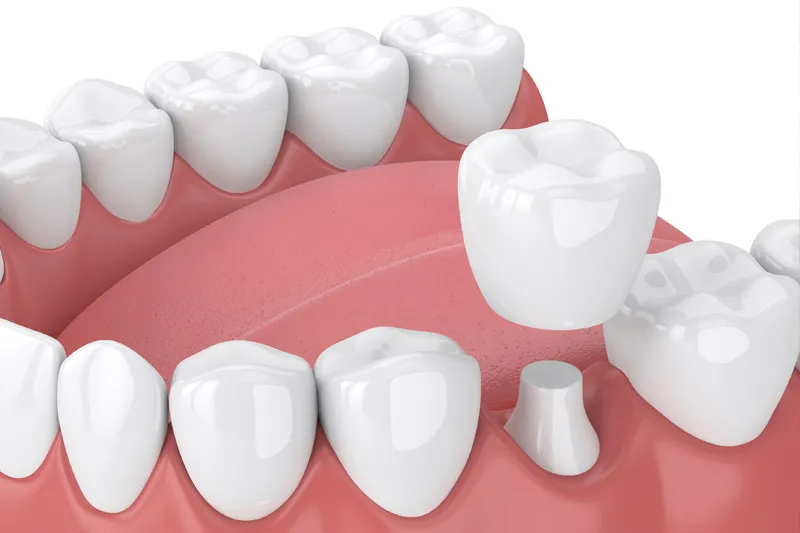
A lost or broken crown leaves the tooth underneath unprotected. Keep the crown if you have it and bring it to the visit. Our dental crowns page explains how crowns are placed and replaced.
Abscesses and severe toothaches
Swelling, a bad taste, or a toothache that won't let up can point to an infection. Depending on what the exam shows, treatment may include a root canal to address infection inside the tooth.
Wisdom tooth pain and dry socket
Pain around a partially erupted wisdom tooth, or a dry socket after an extraction, needs prompt attention. See our wisdom tooth removal page and our extraction aftercare instructions.
FAQ: Is a Toothache, Broken Crown, or Lost Filling a Dental Emergency?
See the dedicated FAQ section below for quick answers on these common questions.
What to Expect at an Emergency Visit to Lakewood Dental of Colorado
If you call with a dental emergency, our team will ask a few quick questions about your symptoms to understand how urgent the situation is and get you seen as soon as possible. At the visit, the priority is to manage pain, address any bleeding or swelling, and figure out what treatment your tooth or gums need. From there, we'll walk you through your options in plain language so you can make an informed decision about next steps.
How an emergency visit works, step by step
- Call the office. Phone (303) 233-1112 or contact us and describe what happened.
- Get a time. The office reserves openings in the schedule on business days for patients in pain, and you can ask about a same-day emergency appointment.
- Exam and imaging as needed. The dentist checks the area and, if needed, takes X-rays.
- Relief first. The priority is to manage pain, bleeding or swelling.
- Talk through options. You'll hear what the tooth or gums need and decide on next steps together.
Learn more on our emergency dentistry page.
If you're in Lakewood, Golden, Wheat Ridge, or anywhere in west Denver and you're not sure whether what you're dealing with is a dental emergency, call our office. We'd rather help you figure it out than have you guess.
---
This article is general information, not dental or medical advice. Every patient is different; book a consultation for advice about your own situation.
FAQ
Is a toothache always a dental emergency?
Not always. A mild, intermittent ache can often wait for a regular appointment. A toothache tends to become urgent when it's severe enough to interfere with eating, sleeping, or concentrating, or if it's accompanied by swelling or fever.
Is a broken or lost crown a dental emergency?
A broken or lost crown usually isn't life-threatening, but it's still worth calling for a prompt appointment. Leaving the exposed tooth unprotected for too long can sometimes lead to further damage, so getting it looked at quickly is a good idea.
Is a lost filling a dental emergency?
A lost filling is generally not a true emergency unless it comes with significant pain or sensitivity. Still, scheduling a prompt visit is recommended, since the exposed tooth can be more vulnerable to further decay or damage in the meantime.
Should I go to the ER or call a dentist first?
For facial bone injuries or swelling that's affecting your breathing or swallowing, go to the emergency room. For most other dental issues — knocked-out or broken teeth, severe toothaches, or abscesses — call a dentist's office first, since ERs typically can't provide definitive dental treatment.
Can I be seen the same day for a dental emergency?
Often, yes. The office reserves openings on business days for patients in pain, so call as early as you can and ask about a same-day emergency appointment.
What if my child knocks out a baby tooth?
Call the office for advice. Baby teeth are handled differently from adult teeth, so don't try to put a baby tooth back in its socket; the dentist will tell you what to do next.