
An oral cancer screening is one of the quieter parts of a dental visit. It takes place during your regular exam, involves no drills or needles, and many patients do not even realize it is happening. Yet it gives your dental team a regular, careful look at the tissues of your mouth and neck. At Lakewood Dental of Colorado, we include an examination of the soft tissues as part of your care, and we are always glad to look at any change you have noticed. This guide explains what a screening involves, what it can and cannot tell you, and the changes worth bringing to our attention.
What Is an Oral Cancer Screening?
An oral cancer screening is an examination that looks for unusual changes in the mouth and surrounding tissues that may need further evaluation. It can help identify areas of concern, but it is important to understand its limits: a screening cannot detect every cancer, and it cannot confirm a diagnosis on its own. When something looks unusual, the next step is further evaluation, not a conclusion.

What counts as oral cancer?
Oral cavity cancer develops in the tissues of the mouth, including the lips, gums, inner cheeks, front portion of the tongue, floor of the mouth and hard palate. Cancers that develop in the back of the throat are called oropharyngeal cancers. The American Cancer Society groups these together because they are closely related and are often discussed side by side.
Not every sore is cancer
Most sores, bumps and discolored areas in the mouth turn out to have everyday causes, such as a bite on the cheek, irritation from a sharp tooth edge or a denture, or a minor infection. A professional evaluation helps determine which changes simply need watching and which need follow-up.
What Happens During the Screening, Step by Step
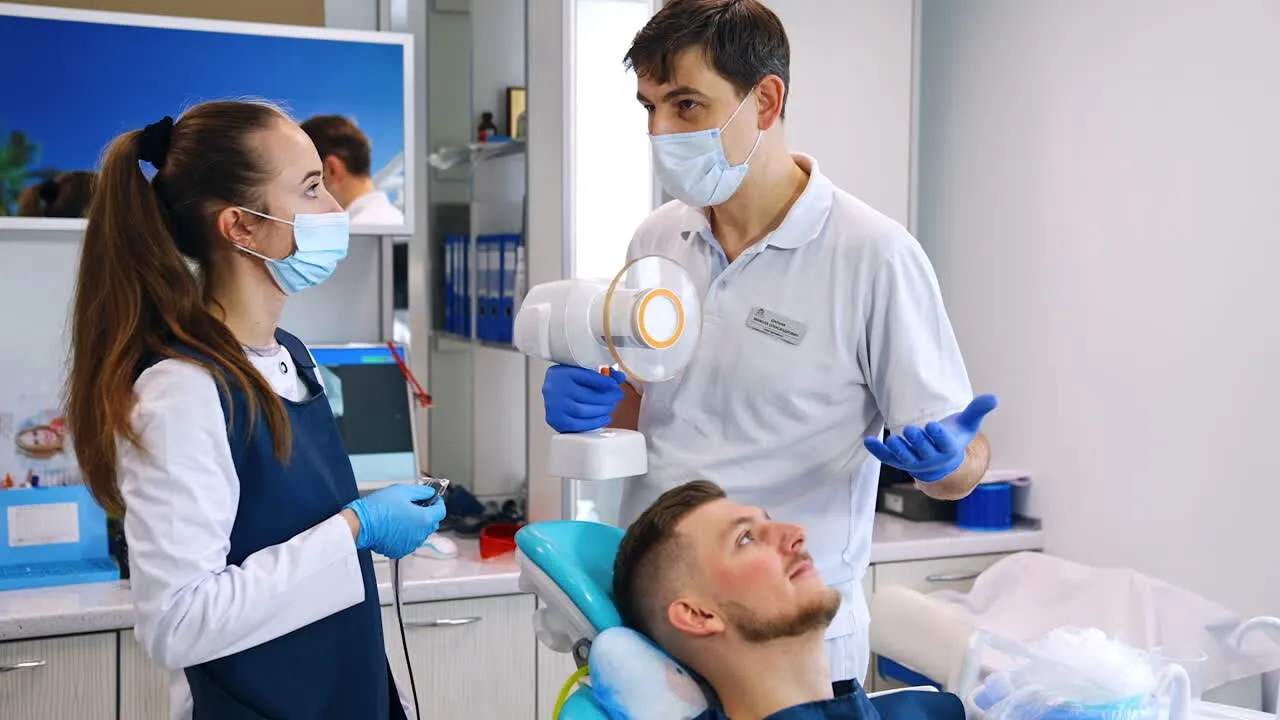
An oral cancer screening is usually part of your dental exam. Here is what typically happens:
- Questions about your health. Your provider may ask about symptoms, your medical history, medications and risk factors such as tobacco and alcohol use.
- Looking at your lips and face. We check the outside of the lips and the skin around the mouth for any unusual changes.
- Examining the inside of your mouth. We look at the inner cheeks, gums, the roof and floor of the mouth, and the surfaces of the tongue. You may be asked to stick out your tongue and move it side to side.
- Feeling for lumps. Using gloved fingers, we gently feel the tissues inside the mouth and the areas around the jaw and neck for lumps or thickened areas.
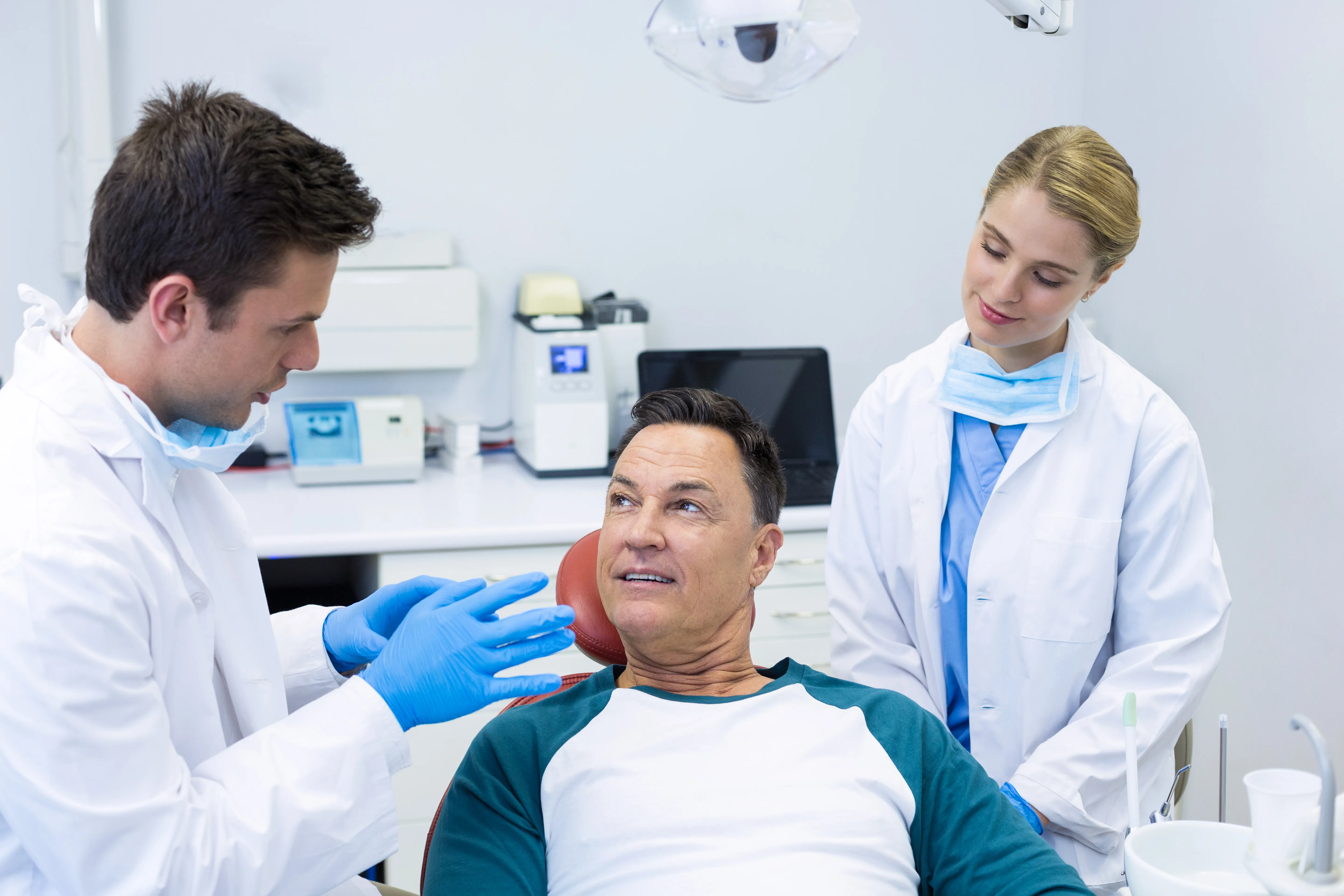
- Discussing what we found. If everything looks typical, we note it in your record. If something looks unusual, we explain what we saw and what the next step should be.
What happens if something looks unusual?
If an area looks suspicious, prompt further evaluation may be needed. That may mean a short follow-up visit to see whether the area has changed, a biopsy, or a referral to a specialist. A biopsy examines a small tissue sample to help establish a diagnosis. Your provider will explain the reason for any follow-up and what it involves, so you are never left guessing. You are always welcome to ask for a copy of your notes or images to share with another provider.
Using images to track changes
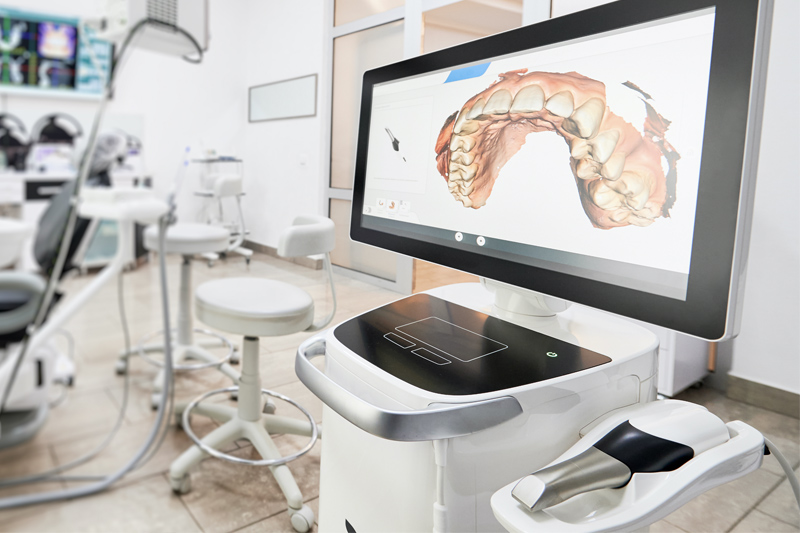
Our office uses an intra-oral camera and other dental technology that can help us document what we see. Comparing images from one visit to the next can make it easier to tell whether an area is changing or staying the same.
Changes Worth Checking Between Visits
You know your own mouth better than anyone, and you see it every day. Contact a dentist or physician if you notice:
- A mouth sore that does not heal
- A red or white patch inside the mouth
- A lump or thickened area in the mouth or neck
- Unexplained numbness or persistent mouth pain
- Difficulty chewing, swallowing or moving the tongue
- A persistent sore throat or a change in your voice
Do not wait for your next routine appointment if a change is concerning or getting worse. Call us so we can take a look sooner.
A simple self-check at home
Some people find it helpful to look at their mouth in a mirror from time to time, in good light:
- Pull your lips out gently and look at the inside surfaces.
- Look at your gums and the inside of your cheeks.
- Lift your tongue and look underneath it, then check both sides.
- Feel along your jaw and neck for any lumps.
- Note anything new and mention it at your next visit, or call sooner if it worries you.
A self-check is not a replacement for a professional exam, but it can help you spot changes earlier and describe them clearly.
Risk Factors to Discuss With Your Dentist
According to the National Institute of Dental and Craniofacial Research and MedlinePlus, several factors are associated with a higher risk of oral cancer. Sharing them helps your provider understand your situation.
- Tobacco use of any kind, including cigarettes, cigars, pipes and smokeless tobacco
- Heavy alcohol use, especially combined with tobacco
- Infection with certain types of HPV, which is associated with some cancers at the back of the throat
- Sun exposure to the lips
- A previous history of oral cancer
Having a risk factor does not mean you will develop cancer, and some people who develop it have no known risk factors. That is why examining the tissues of the mouth is valuable for everyone.

Habits That Support a Healthy Mouth
You cannot control every risk factor, but some everyday choices are within your reach. Health organizations including the American Dental Association encourage people to:
- Avoid tobacco in all its forms. If you use tobacco and want to quit, your physician can point you to support and resources.
- Limit alcohol.
- Protect your lips from the sun with a lip balm that includes sun protection and a hat when you are outdoors for long periods.
- Keep up with regular dental visits so the tissues of your mouth are examined consistently.
- Pay attention to changes and report them rather than waiting to see if they go away.
If you are referred for further evaluation
Being referred for a closer look can feel unsettling, but it is a normal and careful part of good care. A referral simply means another professional with the right tools will take a closer look. Bring your questions, ask what the next appointment involves, and let us know if you need help understanding the information you receive. Our team is here to support you through the process, and we will continue to see you for your regular dental care.
Screening at a Glance
| Part of the visit | What it involves | Why it matters |
|---|---|---|
| Health questions | Symptoms, history and risk factors | Helps us understand your situation |
| Visual exam | Lips, cheeks, gums, tongue, palate and floor of mouth | Looks for patches, sores or color changes |
| Gentle touch exam | Feeling the mouth, jaw and neck | Checks for lumps or thickened areas |
| Next step | Routine monitoring, a recheck, biopsy or referral | Makes sure concerns get the right follow-up |
How to Prepare for Your Visit
There is nothing special you need to do to prepare for an oral cancer screening. It helps to:
- Bring an up-to-date list of your medications and health conditions.
- Remove dentures or partials when asked, so the tissues underneath can be examined. If you wear them, our dentures page explains how we look after denture wearers.
- Mention any change you have noticed, even if it seems minor.
- Ask questions. If you want to know what we are checking, just ask.
FAQ
What happens during an oral cancer screening?
Your dentist examines the tissues in and around your mouth for unusual changes, such as sores, patches or lumps, and may gently feel the jaw and neck. It is usually part of your regular dental exam.
Does an oral cancer screening hurt?
No. The screening is a visual exam combined with gentle touch. There are no needles or instruments that cut, and it usually takes only a short part of your visit.
If my screening is normal, does that mean I cannot have oral cancer?
A screening helps identify areas of concern, but it cannot detect every cancer or rule it out completely. Keep watching for changes between visits and contact us if something new appears.
What happens if my dentist finds something unusual?
Your provider will explain what they saw and recommend the next step. That might be a recheck, a biopsy or a referral to a specialist. A biopsy is what helps establish a diagnosis.
Who should have oral cancer screenings?
Examining the soft tissues of the mouth is a routine part of dental care for adults. If you have risk factors such as tobacco use, it is especially helpful to keep up with regular visits and mention any changes promptly.
How often should my mouth be examined?
The soft tissues of your mouth are examined as part of your routine dental exams. Your dentist will recommend how often you should come in based on your overall oral health and risk factors. If you notice a change between visits, call us rather than waiting.
Talk With Our Team
Have questions about oral cancer screening, or noticed a change in your mouth that you would like us to look at? We will take the time to examine the area and explain what we see. Call Lakewood Dental of Colorado at (303) 233-1112 or request an appointment online. You can read more on our oral cancer screening page or learn about our approach to general dentistry.

Sources
- Oral Cancer · National Institute of Dental and Craniofacial Research
- Oral Cavity and Oropharyngeal Cancer · American Cancer Society
- Oral Cancer · MedlinePlus
- Oral Cancer · MouthHealthy (American Dental Association)