
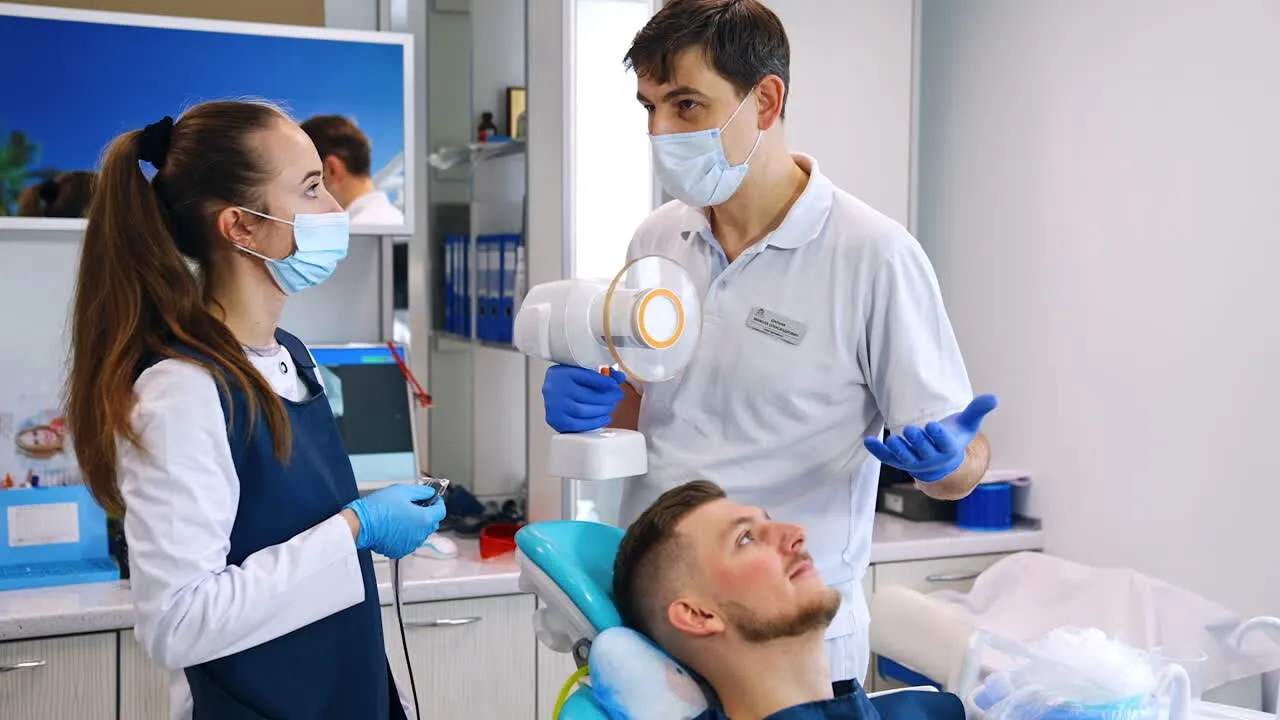
Wisdom teeth are the last teeth to come in at the back of the mouth, and for many people they arrive without much room to spare. Some come in straight and cause no trouble at all. Others grow in at an angle, stay partly trapped under the gums, or become hard to keep clean. At Lakewood Dental of Colorado, we evaluate wisdom teeth carefully before recommending anything, because not every wisdom tooth needs to come out. This guide covers the signs worth paying attention to, how an evaluation works, what happens during removal, and how to look after yourself afterward.
What Are Wisdom Teeth?
Wisdom teeth are the third set of molars, the teeth farthest back on each side of the upper and lower jaws. They usually appear later than the rest of the adult teeth. Because they come in last, there is not always enough space left for them to settle into a healthy position.
A wisdom tooth that cannot come in normally is called impacted. According to MedlinePlus, an impacted tooth may stay fully under the gum, break through only partway, or grow in at an angle toward the neighboring tooth or the back of the jaw.
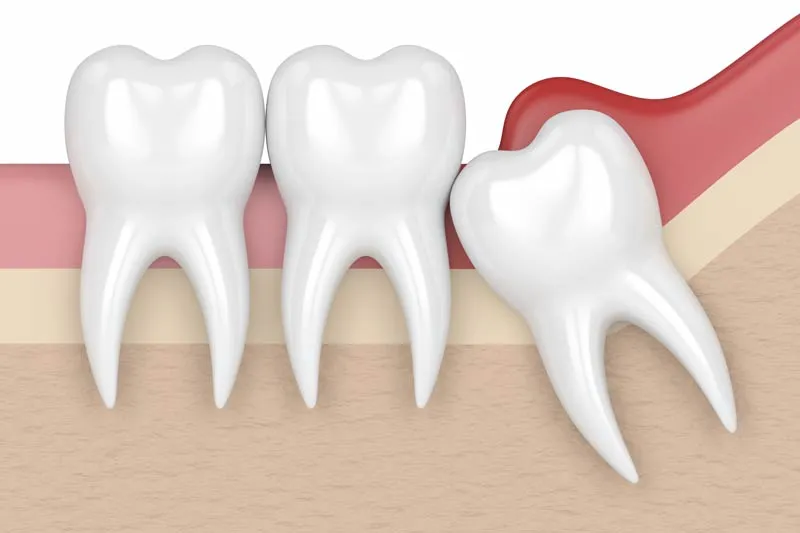
Healthy wisdom teeth vs. problem wisdom teeth
Wisdom teeth that are healthy, fully erupted, properly positioned and easy to clean may simply be monitored at your regular checkups. Removal is more likely to be recommended when the teeth cause problems or put the surrounding teeth and tissues at risk. The American Association of Oral and Maxillofacial Surgeons also notes that wisdom teeth can cause problems without obvious symptoms, which is why periodic evaluation matters.
Signs Your Wisdom Teeth May Need Attention
If your wisdom teeth are causing pain, discomfort or swelling, schedule a visit so we can find out what is going on. Common warning signs include:
- Pain or pressure at the back of the mouth
- Swollen, tender or bleeding gums behind the last molars
- A bad taste or bad breath that keeps returning near the back teeth
- Difficulty opening your mouth fully, or jaw stiffness
- Food getting trapped around a partly erupted tooth
- Repeated gum irritation in the same area
Problems that can happen without symptoms
Even when nothing hurts, an impacted or partly erupted wisdom tooth can still be a concern. Possible issues include decay in the wisdom tooth or the tooth in front of it, gum infection around a partly erupted tooth, crowding, and damage to the neighboring molar. Our dental exam includes a look at the back of the mouth so these issues can be found early.
How We Evaluate Your Wisdom Teeth
Every recommendation starts with a proper diagnosis. Here is how a wisdom tooth evaluation typically works at our Lakewood office:
- Talking through your symptoms. We ask what you have noticed, how long it has been going on and whether anything makes it better or worse.
- A clinical exam. We check the gums, the surrounding teeth and how your jaw opens and closes.
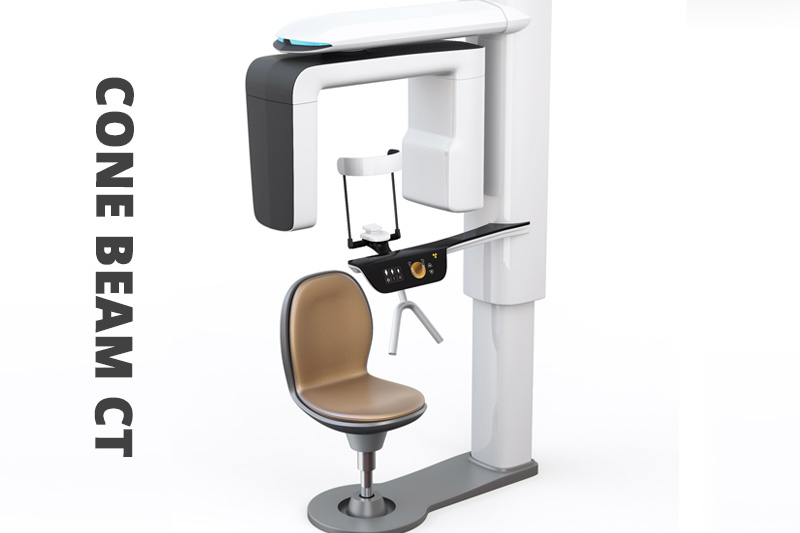
- Imaging. Before any extraction, we take an X-ray to see the position and condition of the wisdom teeth underneath the gums. Our dental technology includes digital X-rays and cone beam CT imaging when a more detailed view is helpful.
- Explaining your options. We walk you through what we see, whether the teeth can be monitored, and what removal would involve if it is recommended.
Why timing matters
Troublesome wisdom teeth can be removed at any age, but delaying the process can make removal more involved and recovery slower. That does not mean every wisdom tooth needs to come out early. It means that when a tooth is clearly causing problems, it is usually wise to deal with it rather than wait for the situation to get worse.
What Happens During Wisdom Tooth Removal
The details depend on the position of each tooth, but the general steps look like this:
- Numbing. Local anesthesia is used to numb the area and make the process as comfortable as possible.
- Comfort options. If you feel anxious, ask about sedation dentistry. Your dentist will explain which options may be appropriate for you.
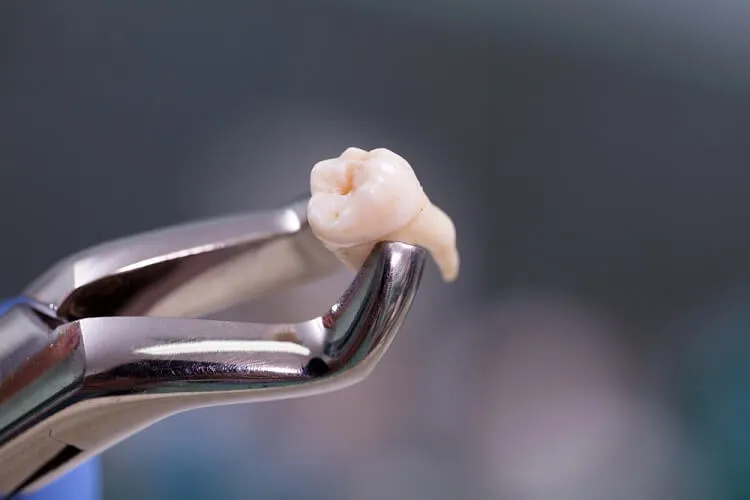
- Removing the tooth. A fully erupted tooth may be removed much like any other extraction. An impacted tooth may require a small opening in the gum, and sometimes the tooth is removed in sections.
- Cleaning and closing. The area is cleaned, and stitches may be placed to help the gum heal.
- Gauze and instructions. You will bite on gauze to help a blood clot form, and you will receive written aftercare instructions before you leave.
Questions to ask before your extraction
- Are my wisdom teeth impacted, and how will that affect the procedure?
- Which comfort or sedation options are available for me?
- Will I need someone to drive me home?
- What should I eat and avoid while the area heals?
- When should I call the office if something does not feel right?
Recovery Basics
Most of a smooth recovery comes down to protecting the blood clot that forms in the socket and keeping the area clean. Our extraction aftercare instructions go into detail, and your dentist will tailor them to your procedure. The general principles are:
- Rest for the remainder of the day and avoid strenuous activity.
- Keep gentle pressure on the gauze as instructed to control bleeding.
- Use a cold compress on the outside of the face to help with swelling.
- Avoid drinking through a straw, smoking and spitting forcefully, which can disturb the clot.
- Eat soft foods and chew away from the extraction site.
- Keep your mouth clean by brushing the other teeth gently and following the rinsing instructions you were given.
- Take medication only as directed by your dentist or physician.
When to call us
Some swelling, tenderness and minor oozing are expected in the first days. Call our office if bleeding does not slow with steady pressure, if pain gets worse instead of better, if you notice a fever, or if swelling increases rather than going down. The NHS guidance on wisdom tooth removal describes similar warning signs. For anything that affects breathing or swallowing, seek emergency medical care right away.
Soft food ideas while you heal
- Yogurt, smoothies eaten with a spoon, and applesauce
- Mashed potatoes and well-cooked vegetables
- Scrambled eggs and soft fish
- Lukewarm soups and broths
- Oatmeal and other soft grains
If You Are Keeping Your Wisdom Teeth
Plenty of people keep their wisdom teeth, and that can be a sensible choice when the teeth are healthy and easy to reach. The key is to keep them clean and keep an eye on them, because the back of the mouth is the hardest place to brush well.
Daily care for back teeth
- Angle your toothbrush toward the back molars and brush the cheek side, the tongue side and the chewing surfaces.
- Use a small-headed or powered brush if a standard brush feels too bulky to reach comfortably.
- Clean between the back teeth with floss, floss picks or interdental brushes.
- Rinse after meals if food tends to collect around a partly erupted tooth.
What we check at your routine visits
At each checkup and cleaning, we look at the gums behind your last molars, check for decay on the wisdom teeth and the teeth in front of them, and compare imaging over time when it is needed. If anything changes, we talk with you about it early, while you have the most options. Our general dentistry visits are designed to catch these small changes before they turn into bigger problems.
Wisdom Teeth at a Glance
| Situation | What it can mean | What we usually do |
|---|---|---|
| Healthy, fully erupted, easy to clean | No current problem | Monitor at routine visits |
| Partly erupted with gum irritation | Area is hard to clean and may become infected | Evaluate and discuss removal |
| Impacted at an angle | May affect the neighboring tooth or jaw | Image the area and explain options |
| Pain, swelling or bad taste | Possible infection or decay | Schedule a prompt evaluation |
FAQ
Does everyone need their wisdom teeth removed?
No. Wisdom teeth that are healthy, properly positioned and easy to clean may simply be monitored. Removal may be recommended when they cause problems or put the surrounding teeth and tissues at risk.
How do I know if my wisdom teeth need attention?
Pain, swelling, repeated gum irritation or difficulty cleaning the area should be evaluated. Problems can also occur without symptoms, so an exam and appropriate imaging help your dentist assess their position and health.
Will I be awake during the procedure?
Local anesthesia numbs the area. Some patients also choose sedation to help with anxiety. Your dentist will explain which options are appropriate for your health and the complexity of the extraction.
Can wisdom teeth be removed later in life?
Yes. Troublesome wisdom teeth can be removed at any age, although waiting can sometimes make removal more involved and healing slower.
What can I eat after wisdom tooth removal?
Stick to soft, lukewarm foods and chew away from the extraction site while the area heals. Your aftercare instructions will tell you when you can return to your usual diet.
Is swelling normal after wisdom tooth removal?
Some swelling and tenderness are expected while the area heals. A cold compress on the outside of the face and rest can help. If swelling keeps increasing, or you notice a fever or worsening pain, call our office so we can check the area.
Book a Wisdom Tooth Evaluation in Lakewood
If your back teeth are sore, swollen or hard to clean, or you simply want to know whether your wisdom teeth are healthy, Lakewood Dental of Colorado can help. Call us at (303) 233-1112 or request an appointment. You can also learn more on our wisdom tooth removal page or meet Dr. Tariq Sawaqed before your visit.

Sources
- Wisdom tooth removal · NHS
- Wisdom Teeth · MouthHealthy (American Dental Association)
- Impacted tooth · MedlinePlus
- Wisdom Teeth Management · American Association of Oral and Maxillofacial Surgeons