
Dental exams and professional cleanings support your oral health alongside daily brushing and cleaning between your teeth. These visits give your dental team a chance to check for concerns, talk through symptoms and recommend care based on your individual needs. If it has been a while since your last checkup, knowing what to expect can make the visit feel easier.
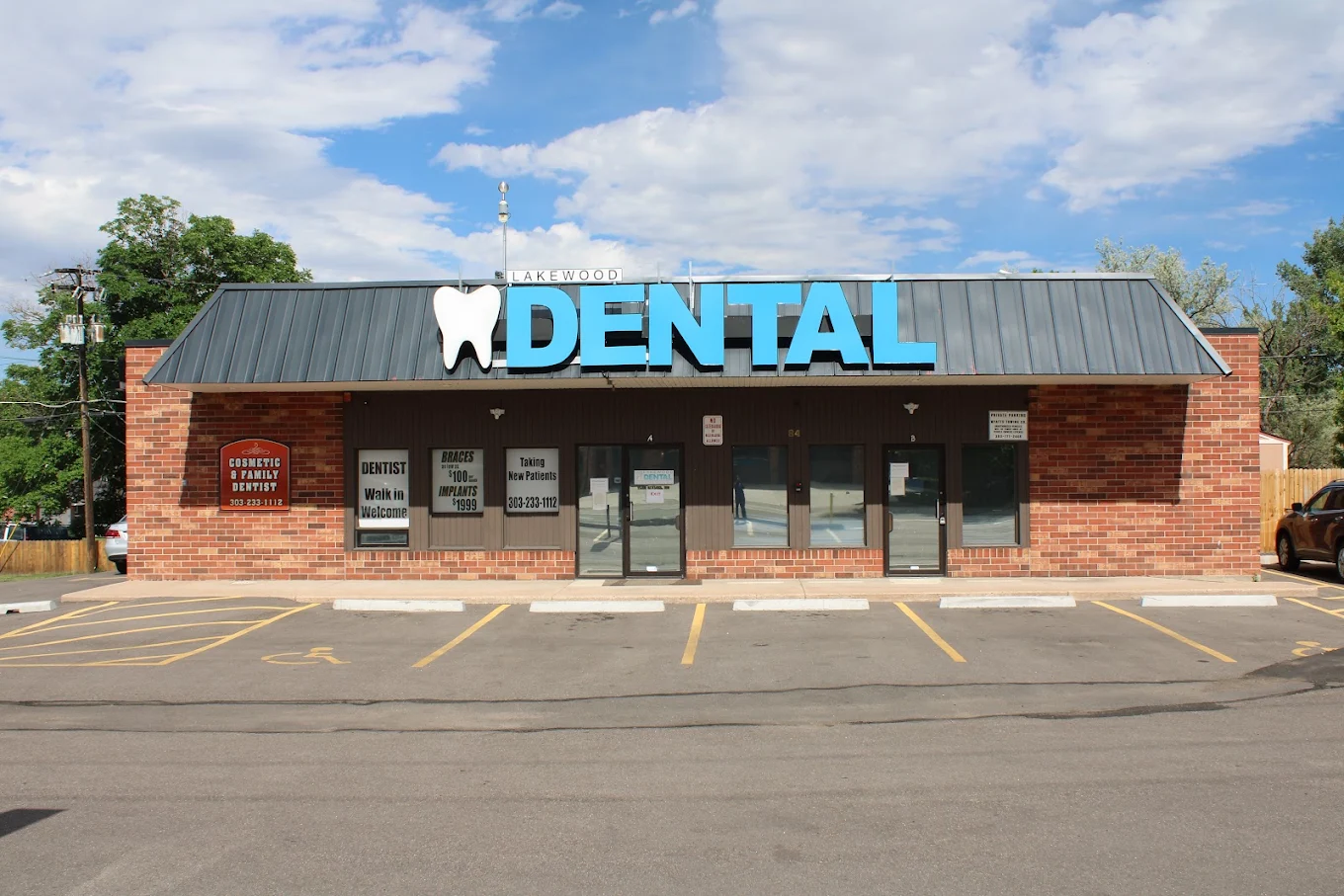
At Lakewood Dental of Colorado, Dr. Tariq Sawaqed and our team want every patient to feel comfortable asking questions about their teeth and gums. This guide walks through each part of a typical dental exam and cleaning, explains why X-rays are not automatic at every visit, and shares simple ways to prepare.

Why Regular Dental Exams Matter
Many dental problems, such as early cavities and early gum disease, do not cause pain at first. NIDCR explains that tooth decay develops over time, and catching it early can make treatment simpler. An exam lets your dentist look for these changes before they turn into bigger problems.
Regular visits also help you:
- Spot concerns early, when care is often simpler
- Remove tartar that brushing and flossing cannot remove at home
- Get personal advice on brushing, cleaning between teeth and diet
- Keep track of changes in your teeth, gums and existing dental work
- Ask questions about anything that has been bothering you
What Happens During a Dental Exam
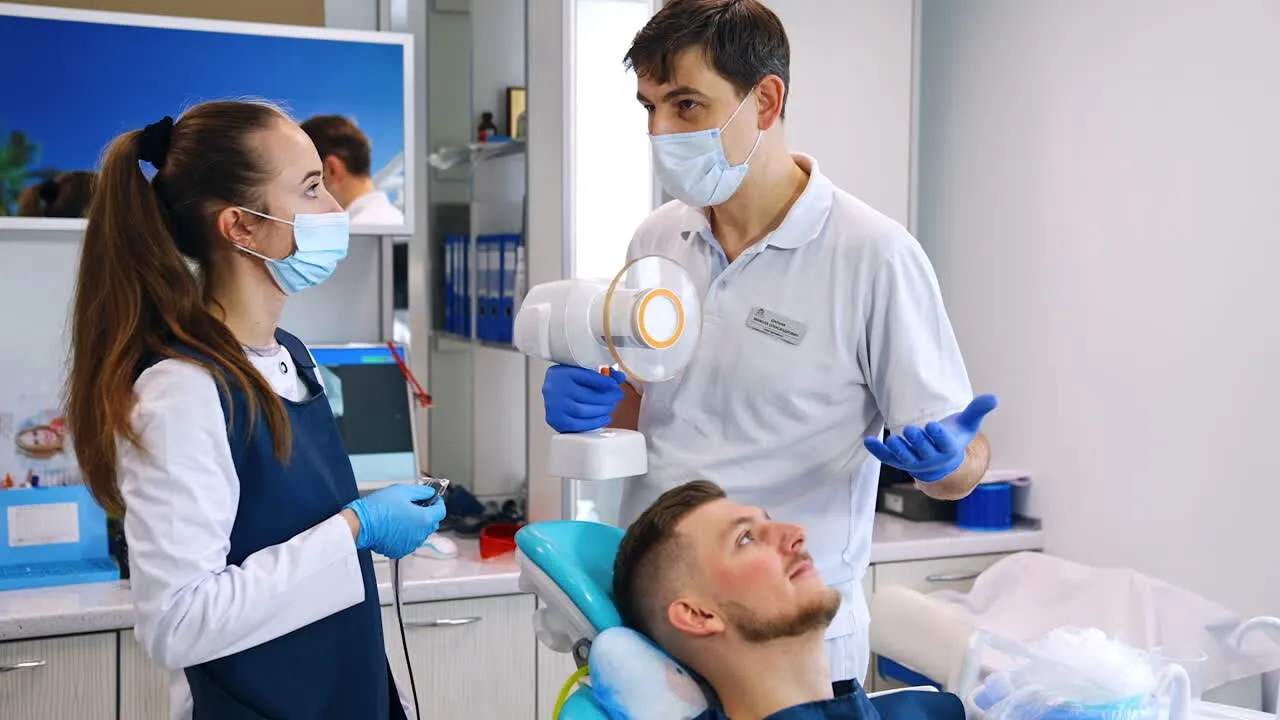
Our exam and cleaning page explains that an exam generally includes reviewing your health history and checking your teeth, gums and the other tissues in your mouth. Here is how a typical visit flows.
- Health history review. You tell us about changes in your health and any medications you take, since these can affect your mouth.
- Your concerns. Mention any pain, sensitivity, bleeding gums or other changes you have noticed.
- Checking your teeth. Your dentist looks for signs of decay, cracks, worn areas and problems with existing fillings or crowns.
- Checking your gums. The gums are examined for signs of inflammation or gum disease.
- Checking other tissues. The tongue, cheeks and other soft tissues are looked at too. Ask about our oral cancer screening if you want to know more about this part of the exam.
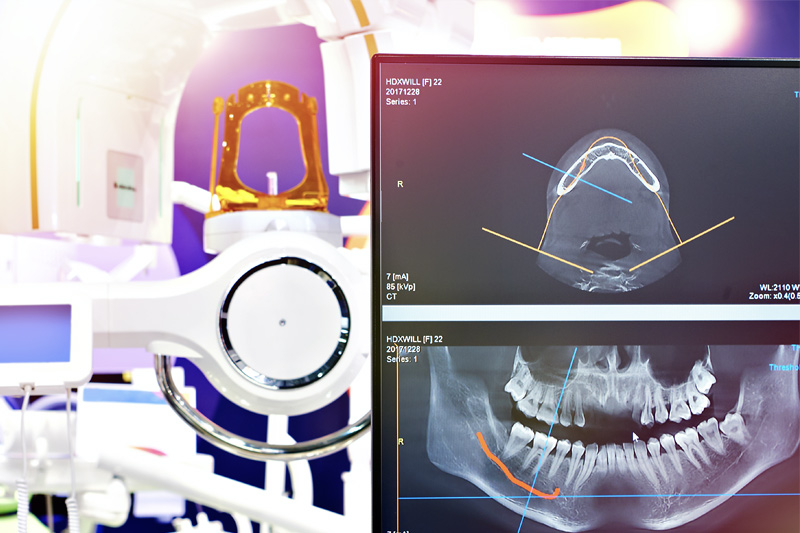
- X-rays when needed. Images may be recommended to see areas that cannot be seen during a visual exam.
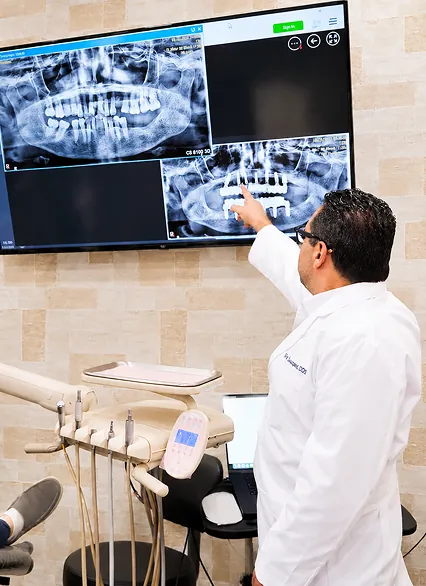
- Talking through findings. Your dentist explains what they found and the next steps, if any.
Why X-rays are not taken at every visit
X-rays may be recommended when they are needed to evaluate areas that cannot be seen by looking, such as between teeth or below the gumline. They are not automatically necessary at every visit. The American Dental Association notes that how often you need dental X-rays depends on your individual oral health. Our office uses digital X-rays, described on our dental technology page.
What Happens During a Professional Cleaning
A professional cleaning removes plaque and hardened deposits, called tartar, from tooth surfaces. Tartar cannot be removed with regular brushing and flossing alone.
The steps of a routine cleaning
- Removing plaque and tartar from the tooth surfaces and along the gumline
- Polishing, which may help remove surface stains
- Cleaning between the teeth to clear areas a toothbrush misses
- Home care tips based on what your hygienist and dentist see
When a routine cleaning may not be enough
The type of cleaning you need depends on the condition of your teeth and gums. If gum disease is present, a routine cleaning may not be sufficient. Your dentist may recommend periodontal treatment, such as scaling and root planing, or ongoing periodontal maintenance. Our periodontal and gum care page explains these options, and NIDCR describes how gum disease develops.
| Part of the visit | What it involves | Why it matters |
|---|---|---|
| Health history | Reviewing health changes and medications | Some conditions and medicines affect the mouth |
| Exam | Checking teeth, gums and soft tissues | Finds concerns that may not cause symptoms yet |
| X-rays (when needed) | Images of areas that cannot be seen | Shows decay between teeth and below the gumline |
| Cleaning | Removing plaque and tartar, polishing | Removes buildup that home care cannot |
| Next steps | Talking through findings and options | Helps you make informed decisions |
How Often Should You Come In?
There is no single schedule that fits everyone. Your dentist can recommend an interval based on your oral health, your history of cavities or gum disease, and other risk factors. If you notice a new symptom, such as pain, swelling or bleeding, contact the office rather than waiting for your next checkup. For urgent problems, see our emergency dentistry page.
Exams for the whole family
Children, teens and adults all benefit from regular checkups. Our family dentistry services make it easier to keep everyone's care in one place.
How to Prepare for Your Visit
A little preparation helps your appointment go smoothly.
Before-your-visit checklist
- Bring an up-to-date list of medications and supplements
- Note any symptoms you want to discuss, and when they started
- Bring your insurance information, if you have dental coverage
- Arrive a little early if you are a new patient so there is time for paperwork
- Tell us if you feel anxious, so we can talk through ways to help you feel comfortable
If dental visits make you nervous, ask about our sedation and sleep dentistry options. New patients can learn more about forms and first visits on our new patients page.
After your visit
Your dentist may recommend follow-up treatment, a change to your home care routine, or simply a time to come back. Ask questions about anything you are unsure of, including why a treatment is recommended and what happens if you wait.
Common Findings and What They Mean
An exam often ends with good news. When your dentist does find something, it helps to know what the common findings mean and what usually comes next.
Early signs of decay
Soft or discolored spots on the enamel can be an early sign of decay. Depending on what your dentist sees, the next step might be closer home care, more frequent checkups, or a filling to repair the tooth.
Gum inflammation
Gums that are red, swollen or bleed when you brush can be a sign of inflammation. Your dentist may suggest changes to your brushing and flossing routine, a different type of cleaning, or periodontal care if gum disease is present.
Worn or cracked teeth
Flat, worn edges or small cracks can point to clenching or grinding. Your dentist may talk with you about protecting your teeth and whether any restoration, such as a crown, may be needed.
Problems with existing dental work
Fillings and crowns can wear or develop gaps at their edges. Your dentist checks them at each visit and lets you know if any need attention.
Changes in soft tissues
Your dentist also looks at the tongue, cheeks, gums and the roof and floor of the mouth. If anything looks unusual, they will explain what they see and the next step, which may be to watch the area or to look more closely.
Your Role Between Visits
Daily habits at home do much of the work of keeping your mouth healthy between appointments.
- Brush twice a day with fluoride toothpaste
- Clean between your teeth every day
- Limit sugary snacks and drinks
- Tell us about changes in your health or medications at your next visit
- Call the office about new pain, swelling or bleeding instead of waiting
Making the Visit Comfortable
Some people feel uneasy about dental visits, and that is completely understandable. Let us know how you feel when you book, and again when you arrive. Our team can explain each step before it happens, agree on a signal you can use if you need a break, and go at a pace that suits you.
Tips that help many patients
- Book a time of day when you feel least rushed
- Bring headphones if music helps you relax
- Ask questions about anything you do not understand
- Mention past experiences that made visits difficult, so we can plan around them
If you feel very anxious, ask about our sedation and sleep dentistry options and whether they may suit you.
Keeping your records up to date
Your dental records help your dentist compare what they see today with earlier visits. Let us know if you have seen another dental office since your last visit, had any dental work done elsewhere, or had changes in your medical care. Updated records make it easier to notice changes in your teeth and gums and to plan care that fits your health today.
FAQ
What happens during a dental exam?
Your dentist reviews your health history, asks about any symptoms, and checks your teeth, gums and other tissues in your mouth. X-rays may be recommended when they are needed. Your dentist then explains any findings and next steps.
Do I need X-rays at every visit?
No. X-rays are recommended when they are needed to see areas that cannot be seen during a visual exam. How often you need them depends on your individual oral health.
Why can't brushing remove tartar?
Tartar is plaque that has hardened on the teeth. Once it hardens, it cannot be removed with regular brushing and flossing alone, so it is removed during a professional cleaning.
How often should I have a checkup?
There is no single schedule that fits everyone. Your dentist will recommend an interval based on your oral health and risk factors. Call the office about new symptoms rather than waiting.
Book Your Exam and Cleaning in Lakewood
Regular exams and cleanings are one of the simplest ways to look after your teeth and gums. To schedule a visit with Dr. Tariq Sawaqed and our team, call Lakewood Dental of Colorado at (303) 233-1112 or contact our office.

Sources
- Common Questions About Going to the Dentist · American Dental Association (MouthHealthy)
- X-rays · American Dental Association (MouthHealthy)
- Periodontal (Gum) Disease · NIDCR
- Tooth Decay · NIDCR
- Dental Health · MedlinePlus
- Dental cavities · MedlinePlus